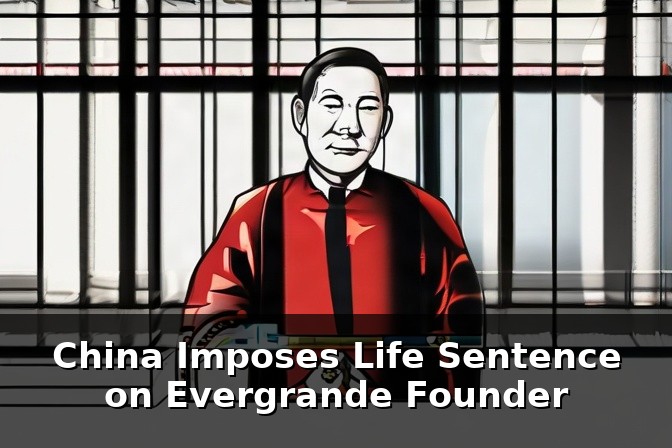
China’s Evergrande saga: A founder’s fate and the long shadow over an economy in transition
The Evergrande debacle did more than trigger a corporate collapse. It exposed structural risks in China’s housing market, shadow financing, and local-government debt that policymakers have been trying to navigate for years. If recent reports about Hui Ka Yan’s life-term judgment are accurate, the verdict would seal the end of an era and send a clear signal about accountability at the highest levels of corporate power. Here’s a closer look at what happened, why it matters, and what comes next for China’s economy and global markets.
Why Evergrande became a global reference point
- Massive leverage: The company expanded rapidly on a business model built around heavy debt to fund aggressive growth and land acquisitions.
- Cash-flow stress: Ongoing cancellations, delayed projects, and tightening credit created a liquidity crunch that could not be resolved quickly.
- Systemic ripples: The crisis didn’t stay contained within one developer. It affected suppliers, buyers, banks, and local government financing platforms tied to real estate activity.
- Policy backdrop: Regulators in China have long been balancing housing stability with debt control, pressuring developers to deleverage while avoiding a disorderly market fall.
In this context, the Evergrande collapse became a stress test for both market discipline and state capacity to maintain social and financial stability. The case raised questions about governance, risk management, and the limits of rapid expansion in a sector that dominates China’s economic heartbeat.
If reports of a life-long sentence hold, what it would signify
- Symbolic accountability: A verdict framing the founder’s punishment as a direct consequence of aggressive risk-taking would underscore a shift toward personal accountability for corporate excesses.
- Deterrent effect for entrepreneurs: The narrative could influence risk culture, encouraging entrepreneurs to pursue sustainable growth and stronger governance structures rather than chasing high-leverage wins.
- Policy signaling: It would mirror a broader regulatory emphasis on market integrity and the need to curb systemic risk linked to large, interconnected groups.
- Investor sentiment and reform momentum: Such a decision could bolster reforms around disclosure, governance standards, and the treatment of “too big to fail” style conglomerates in transition economies.
Even if the details of any ruling are debated, the broader takeaway centers on how a sprawling conglomerate’s downfall can reveal fault lines in governance, credit markets, and regulatory oversight. The potential verdict would reinforce the message that state institutions are willing to prioritize financial stability and social trust over rapid, opaque expansion.
- Real estate and local government exposure: The slowdown in property activity and reduced land sales dampen tax revenue for cities and financing vehicles that depend on property turnover.
- Banking sector stress: Banks and shadow lenders that rode the growth wave face higher scrutiny and tighter access to credit, which can slow investment and consumer demand.
- Consumer confidence: Homebuyers and developers adjust expectations, delaying purchases and renegotiating terms in a climate of uncertainty.
- Global spillovers: International investors and supply chains feel the tremors, underscoring the interdependence of real estate cycles and financial market stability.
- Prudent leverage: Growth fueled by sustainable cash flow and transparent debt structures reduces vulnerability to shocks.
- Governance matters: Strong boards, independent risk oversight, and clear incentives align executive action with long-term value creation.
- Diversification and resilience: Relying too heavily on a single market or revenue stream heightens risk when policy or market conditions shift.
- Capital markets literacy: Transparent disclosure and credible governance practices help firms access funding on favorable terms, even in downturns.
For an entrepreneurial community like Markethive, the Evergrande episode—macroeconomic tremors aside—offers a timeless reminder: legitimate business growth thrives on disciplined strategy, transparent governance, and a readiness to adapt when markets tighten. The fate of a founder, whether perceived as cautionary or definitive, signals to everyone that sustainable entrepreneurship is built on more than ambition—it rests on accountability, resilience, and a clear path to long-term value.
Thomas Prendergast (clone)
By his direction