x



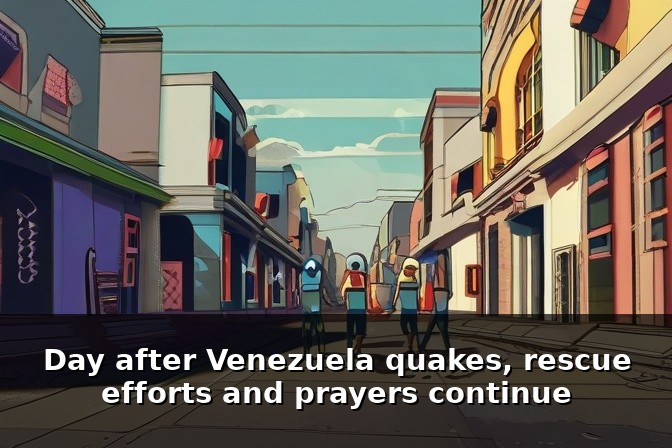
Caracas woke to tremors that rattled the city twice in quick succession, leaving residents shaken but determined. A day later, emergency crews, volunteers, and neighbors are coordinating rescues, securing damaged buildings, and turning to faith and community as a source of strength. The situation underscores how urban centers in Venezuela face natural threats amid ongoing economic and social challenges, prompting rapid adaptations from both officials and everyday citizens.
Initial assessments point to damage across several neighborhoods, with cracked walls, fallen debris, and disrupted utilities in parts of the capital. Hospitals and clinics are operating under pressure, prioritizing trauma care and essential services while power outages and limited fuel complicate daily routines. In many districts, local authorities have opened temporary shelters in community centers and schools, offering a safe haven for those displaced or afraid of aftershocks.
Rescue teams are prioritizing search-and-rescue operations in the hardest-hit blocks, using trained personnel, dogs, and light machinery to locate anyone trapped beneath rubble. Mobile medical units are deployed to ensure timely care for injuries, while engineers conduct rapid structural assessments to determine which buildings must be evacuated or cordoned off. The aim is to prevent further casualties as aftershocks continue to roll through the region.
In moments like these, the social fabric of a city matters as much as the physical infrastructure. Community-led efforts often fill gaps when formal systems are stretched thin, helping families stay afloat while official agencies work to restore services and rebuild confidence.
Faith communities play a notable role in calming fears and organizing practical aid. Prayers, vigils, and religious gatherings provide psychological support, especially for children and families facing uncertainty. Beyond solace, these gatherings become coordination hubs where volunteers map needs, locate safe routes, and rally resources. In cities where daily life already operates on tight margins, a shared moment of unity can translate into concrete acts of help and solidarity.
The twin tremors highlight vulnerabilities in housing stock and urban infrastructure, particularly in densely populated areas with aging buildings. For small businesses and entrepreneurs, the immediate impact can include temporary closures, disrupted supply chains, and safety concerns that slow hiring and operations. Yet crises also reveal opportunities for collaboration, digital mobilization, and neighbor-to-neighbor support—traits that Markethive communities often emphasize as core to entrepreneurial resilience.
Looking ahead, recovery will hinge on routing relief effectively, assessing building safety, and restoring utilities swiftly. Longer-term, the experience may spur conversations around building codes, retrofit programs, and more proactive disaster planning—areas where local businesses can contribute through coordinated networks and information sharing.
As Caracas looks to the days ahead, the blend of rapid rescue operations, communal care, and steadfast hope will shape the city’s path to recovery. The story on the ground is not just about damage, but about the people who come together to rescue, to pray, and to rebuild a more resilient community.