Trust at Stake: What a Fake Listing Reveals About Online Travel Platforms
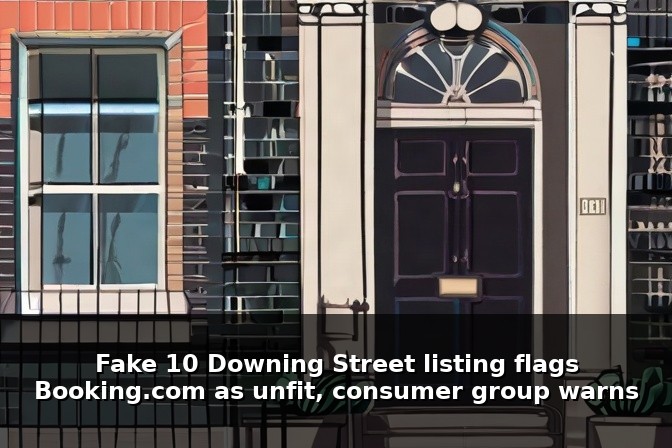
In the fast-growing world of online travel, travelers rely on a streamlined mix of listings, photos, and reviews to make confident decisions. When a fake listing surfaces—especially one tied to a recognizable location—it raises urgent questions about how platforms police accuracy, verify hosts, and protect users from scams. A recent case involving a spoof listing tied to a famous address has reignited the debate over how much trust travelers should place in large booking marketplaces and how seriously they take safeguards against fake or misrepresented properties.
What happened and why it matters
- A counterfeit listing appeared for a well-known, high-profile address, designed to mimic a legitimate accommodation listing on a major platform.
- The incident drew attention from consumer advocates who argued that such tests expose potential gaps in listing verification, host identity checks, and fraud detection systems.
- Publishers and platform operators emphasized that the test was limited and not representative of the millions of active listings and reviews, suggesting that the broader system remains sound when viewed in aggregate.
The platform’s response: defense and concerns
Booking platforms routinely defend their protection measures, noting that isolated tests do not mirror the everyday experience of millions of listings and reviews. They point to established verification workflows, anti-fraud technologies, and human review processes that flag suspicious activity. In response to the fake listing, the platform underscored:
- That a single, limited test cannot be extrapolated to claim systemic weakness.
- Ongoing investments in fraud detection, photo and listing integrity checks, and host verification procedures.
- A commitment to removing or flagging deceptive content swiftly when detected.
Consumer groups, on the other hand, argue that even isolated incidents reveal real vulnerabilities travelers face. They emphasize that trust is built not only by what the platform does well but by how quickly and transparently it addresses gaps when something dubious slips through. Critics contend that reliance on post hoc removal after a deceptive listing appears can still expose users to financial loss, misrepresentation, and a sense of uncertainty when booking.
What this means for travelers
- Expect verification signals beyond photos and reviews. Look for verified host IDs, government IDs, and clear contact channels within the platform.
- Cross-check listings across multiple sites. If a property claiming a prestigious address appears on one platform but not others, investigate further.
- Read a wide span of reviews, including recent ones, and assess consistency between listing details and guest feedback.
- Be cautious with external payment requests or unusual booking steps. Use in-platform messaging and payment flows that provide fraud protection.
- Pay attention to red flags that often accompany scams: inconsistent address information, unusually low rates for prime locations, or hosts pressing for rapid, nonstandard transactions.
What platforms can do to tighten safeguards
- Expand proactive verification: implement more robust host identity checks, address verification, and background screening where appropriate.
- Enhance automated detection: invest in AI and machine learning models to spot anomalies in listings, photos, and booking patterns before they go live.
- Increase transparency: publish clearer indicators of listing credibility, review authenticity, and the steps taken when a listing is challenged or removed.
- Improve incident response: provide timely, publicly visible updates on how fraud cases are handled and what protections remain in place for affected users.
- Encourage third-party audits: periodically invite independent reviewers to assess trust and safety controls, offering customers added confidence in platform integrity.
Closing thoughts: balancing growth with safeguards
The debate sparked by the fake listing underscores a fundamental tension in the marketplace economy: scale and speed must be matched with rigorous safeguards. For entrepreneurs and platform operators, the takeaway is clear—invest in proactive verification, transparent safeguards, and rapid response mechanisms. For travelers, a healthy dose of vigilance, diversified sourcing, and reliance on trusted platform signals can reduce risk while still enjoying the convenience of online booking. By strengthening both technology and process, travel marketplaces can preserve trust as they expand, ensuring that legitimate listings shine and deceptive ones are swiftly dismantled.
Thomas Prendergast (clone)
By his direction