x




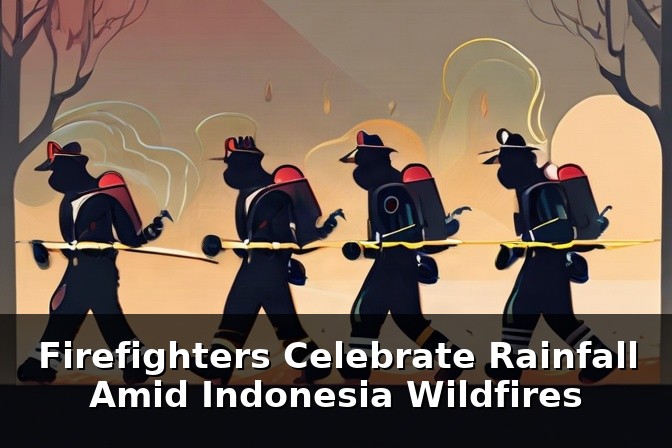
In the midst of Indonesia’s wildfire season, moments of relief often arrive in unlikely forms. Recently, a series of clips captured a powerful, human moment: firefighters breaking into smiles and cheers as rain finally falls on smoke-choked landscapes. These scenes aren’t just about weather; they symbolize the long, grueling battle against fires that threaten communities, ecosystems, and skies already burdened by haze.
Indonesia faces seasonal fires that flare up in forests, peatlands, and agricultural lands. Many fires are stubborn, reignited by wind, dry peat, and stubborn embers that can smolder for days. Rain can dramatically alter the firefighting equation: it cools heat sources, dampens fuels, and reduces wind-driven spread. But rain alone isn’t a silver bullet. Firefighters still contend with dangerous conditions, mud, fallen trees, and logistical hurdles as they work to prevent flare-ups once the rain recedes.
Rain changes dynamics on multiple fronts:
News clips showing firefighters celebrating rain connect with a universal truth: frontline responders are humans who endure physical strain, sleep deprivation, and constant risk. Small victories—cool rain, a clear line of sight, or a dampened plume—anchor morale and reinforce the purpose of long hours spent in perilous conditions. These moments resonate with everyone watching from afar, reminding us that progress in firefighting often comes in incremental, tangible gains rather than dramatic, single-day triumphs.
Rain can be a double-edged sword for firefighting operations:
Rain relief highlights deeper conversations about wildfire drivers in Indonesia. Deforestation, peatland drainage, and land-use practices influence both ignition frequency and fire intensity. While a rainstorm can dampen fires in the short term, long-term resilience requires sustainable land management, rewetting degraded peatlands, and community readiness to respond rapidly when fires flare up again. These incidents also underscore the importance of regional coordination among agencies, local communities, and international partners in sharing resources, weather data, and best practices.
From a firefighting perspective, several takeaways emerge:
As communities in fire-prone regions continue to grapple with seasonal blazes, the rain-soaked moments of relief deserve recognition. They remind us of the dedication of firefighters who confront danger to protect lives, homes, and ecosystems. Supporting proactive fire prevention, rapid response infrastructure, and climate-smart land stewardship will help ensure that those celebratory moments become more frequent and less costly in the future.
In times of smoke and ash, the sight of rain-dampened landscapes and relieved responders offers a hopeful signal: with science-backed preparedness and collective action, resilience can rise even in the face of recurring wildfire seasons.
Thomas Prendergast (clone)
By his direction