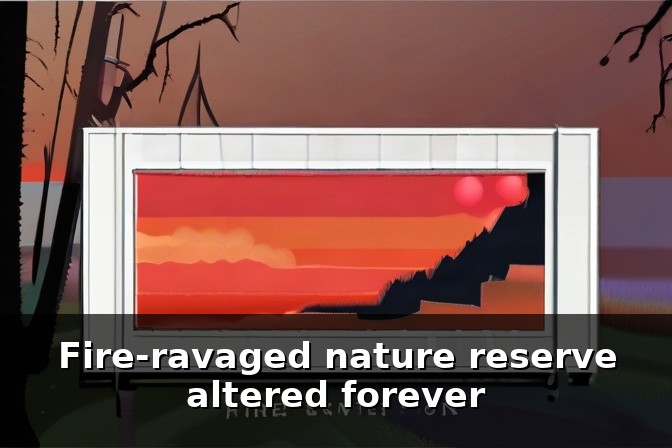
A Landscape Rewritten by Fire: What a 20-Year Recovery Really Means
When a wildfire sweeps through a nature reserve, the immediate headlines focus on the scorched horizons and the visible loss of trees and wildlife. Yet the longer story unfolds in the months and years that follow, as ecosystems grapple with sudden change and begin the delicate process of rebuilding. Three months after a devastating blaze, the RSPB’s assessment that recovery could span decades highlights a fundamental truth: nature’s timeline rarely aligns with human expectations, and resilience is as much about patience as it is about recovery.
Why fire changes the game for a nature reserve
Fire is a natural part of many landscapes, and some ecosystems even rely on periodic burns to maintain balance. However, a severe, high-intensity wildfire can alter soil structure, seed banks, and microhabitats in ways that slow natural regeneration. In a reserve, where habitats are already edge cases of biodiversity and species interactions, the fallout can be disproportionate:
- Soil sterilization and erosion can impede seed germination and the establishment of new vegetation.
- Loss of key habitat features—such as nesting sites, shelter, and food sources—creates a cascade of effect for birds, small mammals, and invertebrates.
- Altered microclimates, with exposed slopes and hotter soils, can favor invasive species that outcompete native flora.
- Fragmentation pressure increases as remaining green patches become isolated, hindering wildlife movement and genetic diversity.
Twenty years to recover: what that means in practice
Two decades may sound daunting, but it reflects a realistic trajectory for ecological succession and habitat restoration. Here’s a closer look at the phases and milestones you might expect:
- Immediate response (0-1 year): Stabilizing soils, preventing erosion, and safeguarding remaining wildlife. Emergency planting of hardy pioneer species can begin to anchor the landscape.
- Early regeneration (1-5 years): Grasslands and scrub may reestablish, providing temporary cover for birds and insects. Natural colonization by resilient species starts to reshape the community.
- Mid-stage recovery (5-10 years): Woody plants begin to mature, creating more complex habitat structures. Biodiversity often rebounds as niches reopen and species adapt to the altered environment.
- Long-term stabilization (10-20 years): The landscape gradually regains its pre-fire complexity, but it may look and feel different—new composition, altered hydrology, and changed animal movements. Full ecological balance is reattempted, not guaranteed to be identical to the past.
What resilience looks like on the ground
Resilience isn’t a single act of regrowth; it’s a mosaic of management actions, natural processes, and community involvement. For reserves, resilience often hinges on strategic restoration and adaptive stewardship:
- Targeted habitat restoration: Planting native species that are well-suited to the post-fire environment to jump-start succession and stabilize soils.
- Monitoring and data-driven management: Regular surveys of flora, fauna, and soil health to track progress, detect invasive species early, and adjust tactics.
- Wildlife corridors and connectivity: Creating and preserving routes that allow animals to move between patches, reducing genetic bottlenecks and enhancing resilience.
- Community and volunteer engagement: Local groups can play a vital role in planting, monitoring, and education, turning recovery into a shared mission.
Climate, fire regimes, and the new normal
Fire activity is increasingly shaped by climate realities— hotter, drier conditions can elevate risk and shift how landscapes respond. Reserves are now tasked with not only recovering what was lost but also adapting to a future where fire is a more frequent part of the ecological cycle. This means embracing flexible restoration plans, choosing species with both ecological fit and resilience to heat and drought, and rethinking fire management to balance protection with ecological benefits.
How supporters can help steer recovery
Recovery is a collaborative effort. Here are practical ways individuals and communities can contribute:
- Support restoration projects with donations or volunteering time for native planting and habitat monitoring.
- Participate in citizen science initiatives to document wildlife rebound and plant growth.
- Spread awareness about the importance of resilient landscapes and the role of managed fire in ecosystem health.
- Advocate for climate-adaptive management plans that prioritize long-term stability and biodiversity.
A future rewritten, not erased
While the reserve may never look exactly as it did before the fire, its revival remains a testament to nature’s capacity to rebuild under human stewardship. The next two decades will reveal a landscape that has learned from the flames, adapted to a changing climate, and emerged with a new integrity. In that sense, the resilience of a nature reserve is not about returning to the old normal, but about crafting a stronger, more informed, and more connected system for the generations that follow.
Thomas Prendergast (clone)
By his direction