x




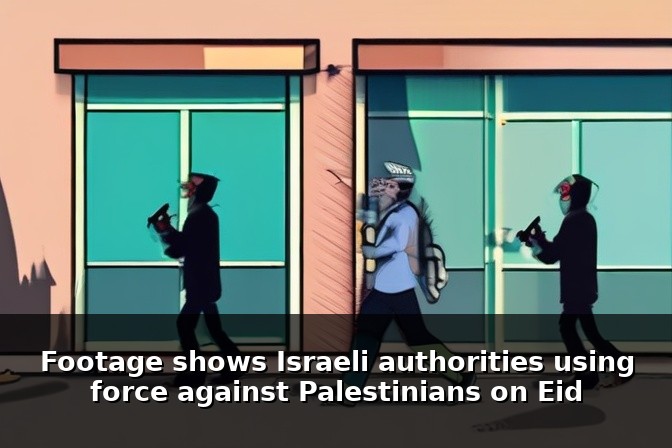
Eid al-Adha is a time of reflection, devotion, and family, celebrated by millions around the world. In parts of the Israeli-Palestinian arc, the holiday unfolds against a backdrop of occupation, checkpoints, and daily security measures that shape the experiences of ordinary people. When footage surfaces showing Israeli authorities acting forcefully toward Palestinians during Eid, it raises urgent questions about safety, rights, and the standards under which security services operate in tense environments.
Camera evidence from conflict zones can illuminate moments of confrontation, but it often captures a narrow slice of a larger narrative. Aggressive tactics, if accurate, demand scrutiny and accountability; at the same time, readers should consider the context: crowd size, location, prior incidents, and the immediate threats officers perceive. Responsible interpretation weighs the proportionality of force, the presence of nonviolent avenues for dispersal, and the rights of civilians to move safely and worship without fear. In any assessment, the goal is to distinguish legitimate security operations from actions that undermine human dignity.
International humanitarian law emphasizes the protection of civilians and the use of force that is strictly necessary and proportionate to the threat. When security operations intersect with daily life on a holiday, adherence to these standards is even more critical. Allegations of excessive force should prompt prompt investigations, public reporting, and accountability when warranted. Equally important is the protection of the right to freedom of movement and the right to worship—a balance that is essential to a fair and humane security framework in volatile environments.
In any society facing recurring tensions, clear mechanisms for accountability help restore trust and reduce future incidents. This can include:
Public conversations around such incidents should emphasize safety, legality, and dignity for all involved. They also offer an opportunity to examine broader policy choices—like checkpoint efficiency, civilian protection protocols, and avenues for redress—that can reduce flare-ups on sensitive days like Eid.
For a platform and audience focused on entrepreneurship and responsible storytelling, these incidents underscore several constructive approaches:
Moments of heightened tension during significant holidays demand vigilance, empathy, and a commitment to lawful, humane action. By approaching such footage with context, critical thinking, and a focus on accountable processes, readers and creators can contribute to a more informed, responsible public conversation—one that honors safety and dignity for everyone involved.