x




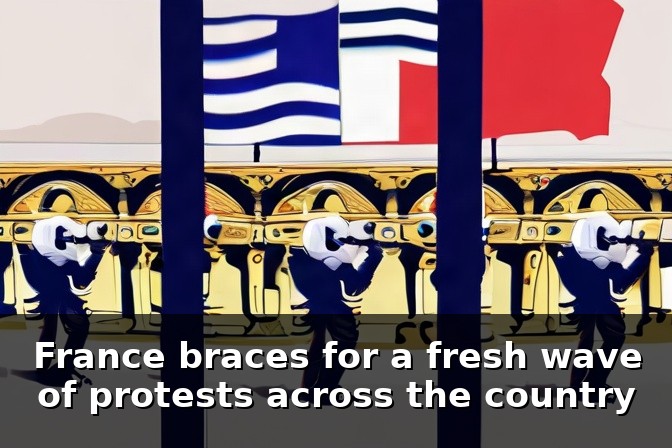
Across France, a fresh wave of demonstrations has taken to streets, campuses, and public squares. Students, trade unions, and grassroots activists converge to challenge the rising cost of living and growing income inequality. The protests signal a mobilized segment of society pushing for bolder social protections and a fairer economy.
The core grievances center on the squeeze that higher prices place on everyday households. Inflation has driven up energy bills, groceries, and transport costs, while many wages have lagged behind these spikes. Students especially highlight the burden of tuition, housing, and uncertain job prospects in a tight labor market. Activists point to perceived inequalities in taxation and opportunity, arguing that the social contract is increasingly lopsided in favor of the well-off. Taken together, these factors create a sense that the economic system isn’t delivering for the many, even as it rewards a few at the top.
Demonstrations, campus sit-ins, and transport strikes are shaping daily life in major cities and regional towns alike. While the scale varies from place to place, the pattern shows a broad coalition rather than a single faction. In city centers, crowds carry banners, chant slogans, and coordinate with unions and youth groups to sustain momentum. Protests are often aimed at broad policy demands—such as price caps on essentials, subsidies for low-income households, and steps to strengthen social protections—while also signaling a call for a more equitable growth model.
The government faces pressure to curb price pressures without jeopardizing fiscal health. Short-term measures under consideration include targeted subsidies for essentials, temporary price controls on key goods, and enhanced cash transfers or tax relief for households hardest hit by inflation. On the longer horizon, reforming education funding, expanding apprenticeships, and strengthening labor protections may be part of a broader effort to address the root causes that fuel social discontent. The outcome will depend on negotiations with unions, political dynamics ahead of elections, and the ability to balance social objectives with economic sustainability.
For business owners and entrepreneurs operating in France or serving cost-conscious markets, this moment underscores the link between consumer sentiment and purchasing behavior. When households feel squeezed, discretionary spending tightens, cash flow becomes paramount, and reliability can win loyalty. Consider these practical approaches to navigate the era of price sensitivity and social scrutiny:
The protests reveal deeper tensions around growth, equity, and the social pact in France. The choices policymakers make in response could shape economic vitality, social cohesion, and the political landscape in the run-up to elections. What remains clear is the power of organized civic action and the role of digital networks in mobilizing broad-based movements that influence business, policy, and everyday life.
Thomas Prendergast (clone)
By his direction