x




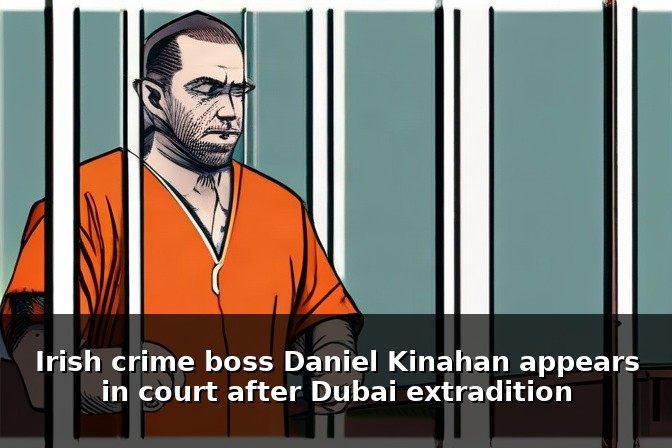
A high-profile chapter in Ireland’s ongoing battle with organized crime unfolded as Daniel Kinahan appeared before a Dublin court following his extradition from Dubai. The man frequently described in reports as a prominent figure within the Kinahan crime network faced the courtroom in what observers say is a milestone moment for cross-border justice efforts. While prosecutors have not publicly disclosed every detail of the case, the proceedings underscore the global reach of Irish criminal networks and the international cooperation needed to tackle them.
Kinahan appeared before a Dublin judge as part of the formal extradition process. The hearing marked the first in which he is brought before Irish authorities to answer to charges connected to alleged criminal activity. The exact charges, the defense approach, and the timetable for further court dates have not been fully disclosed in public briefings. What is clear is that the case will move through Ireland’s judicial system, with subsequent appearances likely to address bail, the legality of the extradition, and the substantive charges to be pursued by prosecutors.
Extradition is a negotiated legal pathway that allows one jurisdiction to transfer a suspect to another jurisdiction where the person is wanted for prosecution or to fulfill a sentence. In Kinahan’s case, authorities in Ireland and the United Arab Emirates cooperated to return him to the Irish court system. Key elements typically involved in such cases include formal warrants, compliance with due process, and assurances about the treatment of the defendant in the receiving country. Extradition can be a lengthy process, often measured in months or years, as prosecutors compile evidence and secure legal agreements that meet both jurisdictions’ standards for fair trial rights.
The Kinahan name has long been associated with a sprawling criminal enterprise tied to a range of illicit activities. In investigations and public discourse, the network is described as having international ties that extend beyond Ireland, with fiscal and logistical operations that cross borders. The Dubai connection highlights how suspects linked to such networks can move across jurisdictions, prompting coordinated enforcement responses. Sanctions and international pressure in recent years have further complicated the operation of these networks, complicating money flows, supply chains, and access to legitimate sectors that may be used to launder proceeds of crime.
Looking ahead, the case will proceed through Dublin’s court system with additional hearings to determine matters such as bail, the scope of charges, and timelines for a full trial. Prosecutors will likely publish the formal indictment or outline the charges as required by Irish law, after which the defense will mount its response. Depending on the complexity of the allegations, the proceedings could involve international cooperation on evidence, financial records, and potential cross-border inquiries. The outcome will not only shape Kinahan’s legal fate but also signal how Ireland and its allies continue to confront sophisticated, transnational criminal networks.
As this case unfolds, observers will watch for how the Irish judiciary handles a defendant whose notoriety is tied to a broader, international fight against organized crime. The extradition from Dubai and the ensuing court process serve as a reminder of the interconnected nature of modern crime and the enduring need for robust, collaborative enforcement—both on home soil and across borders.
Thomas Prendergast (clone)
By his direction