x




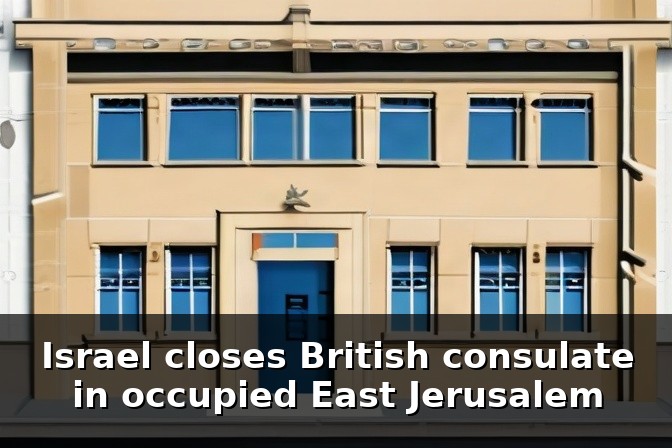
The shuttering of the British consulate in occupied East Jerusalem marks a notable shift in how foreign missions navigate one of the most sensitive urban spaces in the Middle East. Israel’s move to remove the consulate folds into a broader conversation about sovereignty, diplomatic presence, and the future of East Jerusalem in any prospective settlement. In response, the British government has underscored its intention to keep a diplomatic presence in the area, signaling a careful balancing act between historical ties, international norms, and regional realities.
East Jerusalem has been a focal point in the Israeli-Palestinian conflict since 1967, when Israel occupied the area and later annexed it in a move not widely recognized internationally. The international community generally regards East Jerusalem as occupied territory and maintains that its final status should be determined through negotiations. Against this backdrop, foreign missions in Jerusalem often symbolize a country’s stance on the city’s status and on the Palestinian leadership’s claim to East Jerusalem as its future capital.
Diplomatic missions in Jerusalem have traditionally served multiple roles: protecting citizens abroad, facilitating visas and aid, reporting on regional developments, and acting as a bridge between communities. When a consulate is closed or elevated to a different posture, it can signal a recalibration of a country’s engagement, while also raising practical questions about how Palestinians and expatriates will access consular services and diplomatic support.
As the status of East Jerusalem remains one of the core touchstones of any potential peace process, how foreign missions choose to define their presence can either reinforce a commitment to dialogue or inadvertently underscore divisions. Britain's pledge to maintain a presence signals a desire to stay engaged and to support stability, citizen protection, and international cooperation, even as sovereignty questions and security concerns continue to shape the conversation. For policymakers, the challenge will be to balance principled international norms with practical diplomacy—ensuring that the presence fosters constructive engagement with all communities in the city while remaining aligned with long-term, negotiated arrangements for Jerusalem’s final status.
Thomas Prendergast (clone)
By his direction