x




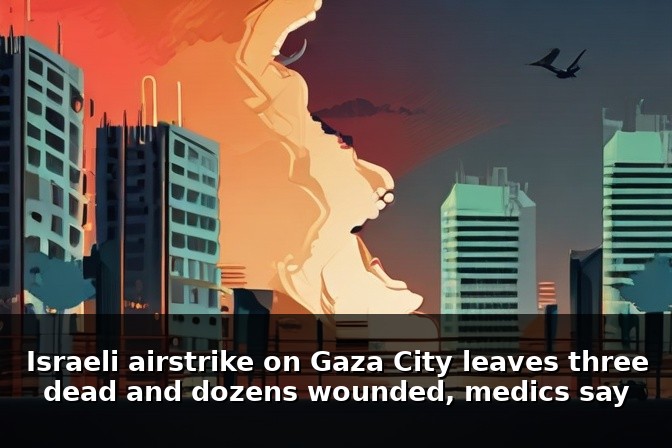
A fresh flare-up in Gaza City has left casualties and raised questions about the human cost of ongoing hostilities. Medics and witnesses say three people were killed and dozens were injured in an Israeli airstrike. Israel has stated that the operation targeted a Hamas commander, noting that this commander’s predecessor was killed in a similar strike earlier in May. As with most such events, figures are evolving as on-the-ground teams work to gather more information and stabilize the injured.
Officials describe the mission as an effort to disrupt Hamas leadership and its operational capabilities. The claim centers on striking a high-level commander believed to be directing activities that threaten Israeli security. While these statements aim to justify the strike, they sit alongside reports from medics and residents who describe a broader impact on civilians in a densely populated area.
Gaza City is one of the most densely populated areas in the Gaza Strip. When airstrikes target individuals associated with militant groups, the surrounding urban environment—homes, schools, clinics, and markets—becomes vulnerable to collateral damage. Civilian harm in such settings often sparks urgent humanitarian concerns and complicates diplomatic efforts to de-escalate tensions.
The reported strike follows a pattern seen in recent months: leadership-targeted actions by air power paired with sharp, immediate humanitarian consequences. The mention that a predecessor of the claimed target was killed in May underscores how the cycle of targeting leadership is being carried into successive rounds of fighting, with each operation potentially shaping the next phase of violence.
Across the international community, voices emphasize the need to protect civilians and to pursue de-escalation. Calls for restraint often accompany appeals for humanitarian pauses that allow aid to reach those in need, medical teams to operate safely, and for negotiations that reduce the risk of further casualties on both sides.
Strikes framed as targeting militants while occurring in civilian-populated areas tend to amplify debates about proportionality, civilian protection, and the prospects for long-term peace. Each operation can influence public sentiment, feed cycles of retaliation, and impact the regional calculus of actors involved. For observers and participants, the path forward hinges on clear verification of targets, minimization of civilian harm, and renewed commitments to dialogue and humanitarian access.
The Gaza City strike adds another chapter to a sustained and complex conflict narrative. With three confirmed fatalities and many more injured, the incident underscores the fragile balance between security objectives and the imperative to safeguard civilian lives. As investigations unfold and more information becomes available, the broader focus remains on de-escalation, accountability, and addressing the urgent humanitarian needs on the ground.