x




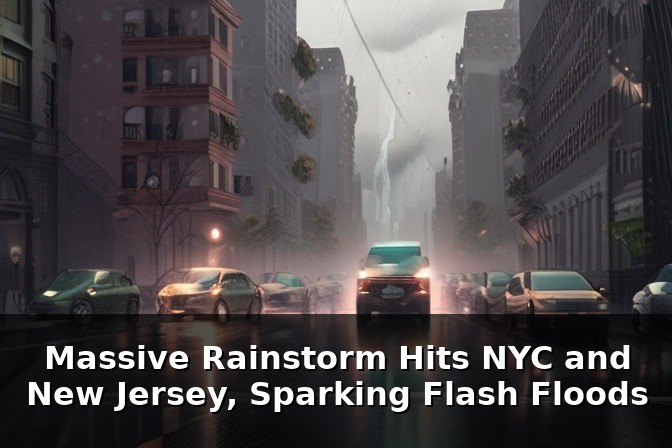
An intense storm unloads a rapid burst of rain across the New York metropolitan area, turning streets into rivers and pushing subway systems toward capacity, sometimes beyond it. Residents documented the scene as water surged into storefronts, basements, and transit hubs, while people navigated submerged sidewalks in improvised wading boots and waterproof gear. This kind of downpour highlights how quickly urban environments can be overwhelmed when rainfall outpaces drainage capacity.
Videos and eyewitness accounts captured water cascading into subway entrances, floodwaters climbing stairwells, and escalators shutting down as the systems attempted to manage an abrupt influx. Surface streets faced widespread pooling, with vehicles stalled or abandoned in deep pockets of water. Local streets and underpasses became challenges for drivers and pedestrians alike, underscoring the vulnerability of dense urban cores during sudden deluges.
Several factors converge to create these flash flood events. First, extremely heavy rainfall within a short window can overwhelm already stressed drainage networks. In urban areas, much of the landscape is paved, leaving little opportunity for water to soak in. When drainage systems are designed for typical peak loads but encounter an extraordinary downpour, flooding becomes almost inevitable. Climate dynamics are also shifting, with more intense storm events and erratic rainfall patterns, increasing the risk of urban flood scenarios in the Northeast.
Another element is the micro-scale nature of flash floods. Even modest runoff can become dangerous when concentrated in valleys of infrastructure, such as subway cisterns, tunnels, or street-level drainage outlets, where water can back up rapidly. The result is not just inconvenience—it can pose real safety hazards for commuters, residents, and first responders.
City and regional agencies typically issue travel advisories and urge residents to avoid nonessential travel during severe downpours. Emergency services coordinate rescues, monitor water levels, and open cooling or shelter options for those affected. In many cases, transit operators suspend or reroute services to prevent train hardware from being exposed to floodwaters and to protect the safety of passengers and staff. The immediate focus is on preventing injuries, safeguarding critical infrastructure, and delivering timely information to the public.
Events like these serve as a reminder that resilience requires a multi-layered approach. Investments in upgraded drainage capacity, smarter flood forecasting, and urban design that prioritizes permeability can dramatically reduce the impact of heavy rainfalls. Communities that pair strong emergency response with long-term infrastructure upgrades stand a better chance of maintaining mobility and safety during future storms. Individuals can contribute by staying informed, preparing emergency plans, and supporting local efforts to retrofit vulnerable neighborhoods.
In the near term, the focus remains on rapid response, clear communication, and learning from each event to inform smarter planning. As the climate continues to evolve, blending practical safeguards with forward-looking design will help urban centers like New York and New Jersey navigate the challenges of intense rainfall and flash floods more effectively.