x




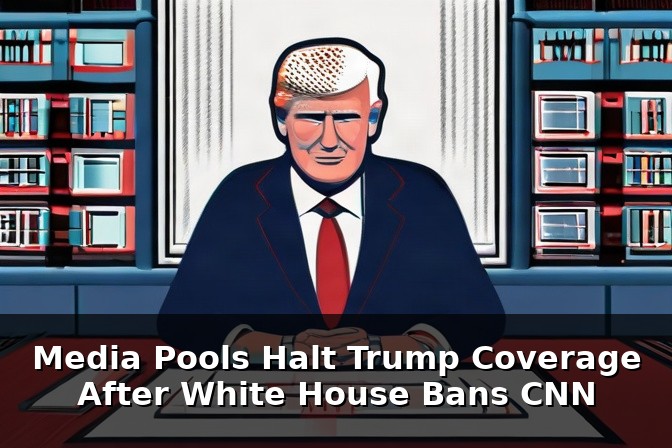
The White House’s move to bar reporters from CNN, MSNBC and Politico has sparked a bold response from the networks, who announced they would suspend their White House pool coverage. This marks a significant escalation in the ongoing friction between President Trump and a portion of the press corps. Pool coverage—designed to streamline access and deliver consistent reporting from a single group—suddenly becomes a political tool in a high-stakes information war.
Pool coverage is a longstanding newsroom arrangement in which one or a small group of reporters attends an event on behalf of all outlets and shares the material with others. It helps manage security, reduces crowding, and ensures that every outlet gets roughly the same visuals and timing. When pooling works smoothly, it creates a predictable, unified stream of information for the public. When it’s disrupted, the result can be uneven coverage, delays, and a perception that access is negotiable rather than guaranteed.
The decision to suspend pool coverage signals more than a routine disruption. It’s a show of solidarity with reporters targeted by the administration and a strategic pressure point aimed at restoring visibility and fairness in access. In an era when messaging is as much about who can speak to whom as what’s being said, the pool system functions as a cooperative mechanism that helps prevent sensationalism or selective framing. By pulling back, networks are sending a clear message: when gatekeeping becomes routine, the public’s right to a comprehensive view of government actions is put at risk.
Entrepreneurs depend on timely, reliable information to make strategic decisions. When access to central, authoritative coverage becomes variable, it underscores the value of building multiple information streams: independent content, newsletters, podcasts, and direct engagement with audiences. It also reinforces the case for strong media literacy—consuming from a range of outlets, verifying claims, and understanding how framing can shape perception. In practice, this event encourages brands and founders to invest in owned media and direct storytelling, so messaging remains clear even as gatekeeping evolves.
Ultimately, the episode serves as a reminder that government transparency and a robust, independent press are intertwined with the health of public discourse. For entrepreneurs and marketers, the lesson is clear: diversify your information diet, cultivate direct relationships with your audience, and stay adaptable as the media landscape evolves amid political tensions.
Thomas Prendergast (clone)
By his direction