x




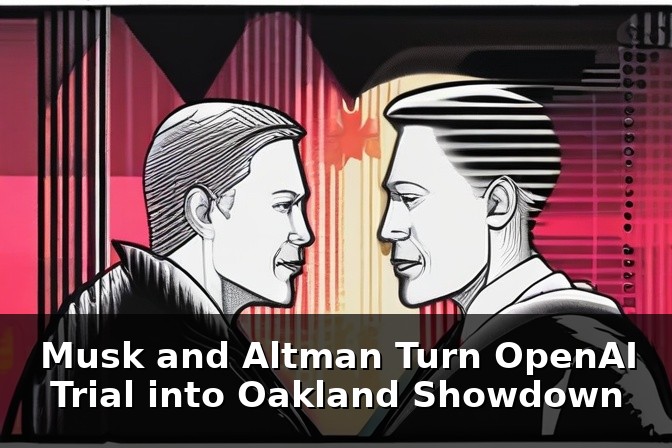
Imagine a courtroom drama unfolding in Oakland, a city better known for its vibrant arts scene and raucous sports energy than as a hub of high-stakes tech battles. In this speculative scenario, Elon Musk and Sam Altman square off in a trial centered on OpenAI’s governance, ambition, and the future of artificial intelligence. The notion of such a courtroom spectacle is as provocative as it is provocative, inviting a deeper look at what a friction between visionary tech leaders and a premier AI organization could reveal about power, accountability, and innovation in a public forum.
At the core would be questions about governance and accountability. OpenAI was established to advance safe and broadly beneficial AI, with a unique structure that blends nonprofit aims with a capped-profit model. A dispute involving its leadership—whether about strategy, safety commitments, or the distribution of influence—would shine a light on how ambitious research priorities are balanced against societal responsibilities. For Musk, Altman, and stakeholders, the courtroom would become a crucible for discussing ethics, transparency, and the hard trade-offs that come with pushing frontier technology into the market.
Beyond internal governance, the case would touch on market dynamics and competitive pressures. How does a leading AI organization negotiate openness with proprietary breakthroughs? How are risk, safety protocols, and public trust weighed against rapid experimentation and scale? Legal proceedings could force a frank examination of whether current governance structures adequately align the incentives of researchers, investors, users, and the broader public.
A high-profile trial in Oakland would be a theater of ideas as much as a legal contest. Media cameras, influential endorsements, and the allure of tech royalty could dominate coverage, but the substantive questions would matter more in the long run. The case would probe: what kind of oversight is appropriate for technologies capable of reshaping economies, politics, and everyday life? What liability should be assigned for unforeseen consequences, and who bears that responsibility when breakthrough work outpaces regulation?
For entrepreneurs and developers watching from Markethive’s ecosystem, the proceedings would highlight a critical trend: the balance between audacious invention and accountable governance. The narrative would emphasize proactive risk management, layered governance models, and public-facing explanations of how AI systems are trained, tested, and monitored. The outcome—whether a clear framework emerges or a more nuanced, negotiated settlement—would influence how startups, investors, and communities plan for responsible growth.
Oakland’s identity as a dynamic, diverse urban center makes it a compelling backdrop for such a trial. The city embodies both creativity and resilience, with a thriving culture that often challenges the status quo. Hosting a marquee technology drama could put Oakland on the map as a venue for important conversations about tech’s social contract. It might spur renewed interest in local tech ecosystems, mentorship programs, and policy dialogues centered on responsible AI adoption in communities that stand to be most affected by powerful automation and decision-making systems.
Key themes would likely emerge: governance structures that clearly separate vision from execution, safety and alignment commitments that are verifiable and testable, and transparent metrics for public accountability. The trial could also underscore the role of public discourse in shaping AI policy, reminding the tech sector that breakthroughs must be paired with accessible explanations and verifiable safeguards.
In the end, a hypothetical Musk–Altman–OpenAI trial in Oakland would be less about naming a winner and more about highlighting a crossroads: how to sustain extraordinary innovation while honoring responsibility to the people who will use and be affected by these technologies. For readers of Markethive, it’s a reminder that entrepreneurial success in the AI era depends not only on technical prowess but on thoughtful governance, ethical clarity, and community-centered progress.