x



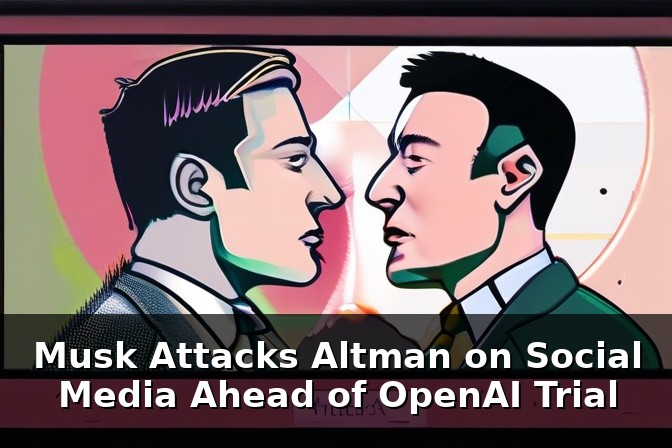
As public attention tightens around a forthcoming OpenAI trial, Elon Musk has pressed his critique of the company on X, arguing that OpenAI has drifted from the mission it was founded to pursue. Musk’s posts push a narrative that OpenAI has lost its way—prioritizing monetization and growth over safety, transparency, and broad societal benefit. The exchange underscores a broader, high-stakes debate about AI governance, leadership, and the balance between risk and reward in a rapidly evolving field.
Elon Musk helped launch OpenAI in 2015 with a pledge to steer artificial intelligence toward humanity’s benefit. Over time, the organization evolved into a hybrid structure, incorporating a capped-profit entity to attract capital while maintaining a governance framework intended to keep safety and public good at the forefront. Sam Altman, a central figure in OpenAI’s leadership, has championed a guided but ambitious path—pushing forward powerful AI capabilities while advocating for safety standards and regulatory awareness. Musk’s ongoing public commentary reflects a clash of perspectives that pits a cautionary, safety-driven ethos against a fast-moving, capital-enabled approach to AI development.
These tensions are not purely personal. They touch the core question of how far a leading AI organization should go in productizing, licensing, and scaling advanced models—and who should set the guardrails. The rhetoric Musk employs on X is as much about accountability and governance as it is about competition or personal sentiment. In a landscape where policy, safety, and reputation can influence funding, talent, and user trust, public statements carry real strategic weight.
The core themes echoed in Musk’s messages revolve around four pillars: mission fidelity, safety and alignment, transparency, and governance. Musk argues that OpenAI may be prioritizing speed to market and revenue generation over the long-term safety and societal alignment that its early mission promised. He implies a drift away from open, broadly beneficial research toward a more closed, commercially oriented posture. While OpenAI has publicly emphasized safety frameworks, guardrails, and responsible deployment, Musk’s framing pushes for deeper transparency about decision-making, model capabilities, and risk controls.
This discourse highlights a tension that many observers notice in AI leadership: the push to monetize powerful models while balancing the need for safety, explainability, and independent oversight. Public posts contribute to shaping a narrative about who controls the future of AI, what safeguards exist, and how confident the market can be in a company’s stated commitments.
For those navigating the AI landscape, Musk’s posts offer lessons in how public narrative interacts with corporate strategy and governance:
Public discourse about OpenAI’s direction, intensified by Musk’s posts on X, adds a valuable strain of scrutiny to the AI governance conversation. While debate can propel accountability and thoughtful reform, it also risks inflaming perception without delivering concrete blueprints. For entrepreneurs and observers, the key is to parse the narrative from the substance: examine safety commitments, governance structures, and transparent decision-making as indicators of real progress. In AI’s high-stakes era, clarity about purpose, safeguards, and responsible leadership matters as much as bold inventions.