x




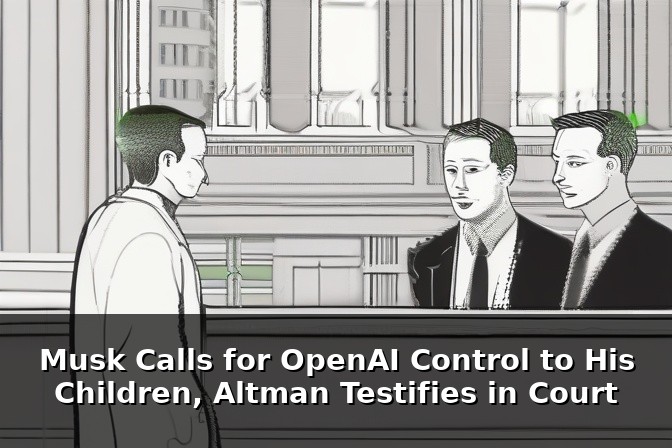
In a high-stakes legal proceeding, Sam Altman offered jurors a rare glimpse into the power dynamics shaping OpenAI’s future. The testimony centers on Elon Musk’s repeated push for total control over the organization—an effort that, according to Altman, played a central role in Musk’s ongoing lawsuit against OpenAI. The clash between founder influence and institutional safeguards underscores a broader question facing AI labs: how to balance bold ambition with responsible governance and safety commitments.
Altman described a pattern in which Musk pursued decisive influence over OpenAI’s direction. The gist of his testimony includes:
In this account, the dispute isn’t merely about personalities but about who holds the levers of strategic authority in a venture tasked with shaping a technology that could redefine many sectors.
OpenAI uniquely blends a nonprofit mission with a capped-profit model, a structure designed to align ambition with safety and public interest. When a lead founder or major financier presses for unilateral control, several consequences can emerge:
The case throws into sharper relief the governance conundrums that accompany rapid AI development. For OpenAI, the outcome could drive clearer governance protocols, stronger checks on control, and possibly reforms related to how funding and influence are exercised. For the broader industry, it signals that even high-profile, mission-driven AI labs are not immune to disputes that could affect recruitment, safety commitments, and investor confidence. Regulators and stakeholders are watching closely to see how such disputes influence accountability, product timelines, and the ability to maintain safety safeguards amid intense competition.
The OpenAI narrative isn’t only about a courtroom drama; it’s a case study in how the most transformative technologies demand governance that can withstand the pressures of ambition, finance, and speed.
As OpenAI navigates these revelations, the case could shape governance norms across the AI landscape. The balance between visionary leadership and institutional safeguards will influence how new labs structure their boards, manage founder influence, and commit to safety and societal benefit. In the end, the jury’s reflections, paired with Altman’s testimony, may set a precedent for responsible stewardship in an era of rapid technological change.