
x
Black Bar Banner 1
x

NEW: About Me Look — turn on a full-width dark About Me from your profile Configuration (Profile Page Upgrade). The Academy, profile feeds and Media Feed now read like the News Feed. See Subscriptions »

New: AI Blog Autopilot — free for the next 30 days. Switch it on by November 15th »

NEW: Smart Mail is live — free for every member. Send broadcasts, build lists and run autoresponders. Open Smart Mail »

New training: The Campaign Map. Watch it now »

A+ A−
Ads by Markethive - View All
The Blog Feed
The Blog Feed
» Blog Feed
Write a New Blog Post
Search Blog Status
Most Viewed
Most Recent
Most Shared
Alphabetical
Markethive Blog (default)
My Blog Posts
Friends' Blogs
Blog Categories
All
Advertising
Blockchain & Cryptocurrency
Business Development
Diet & Weight Loss
Environmental
Health and Wellness
History and Culture
Home and Garden
Marketing
Mentoring & Training
Money & Finance
Other
Political
Prayer & Religion
Programming & Technical
Real Estate
Search Engine Optimization
Social Media
Spirituality
Sports & Recreation
Transport
Travel & Events
Website Design
Blogging Tools & Assets
My Blog Info
Members Subscribed to You
Blogs You Are Subscribed To
Website Widget
Wordpress Plugin
Subscribe for Greater Services
Subscribe to one of many subscriptions, each one includes the previous ones.. Unlock powerful tools, advance features, to build a powerful reach.

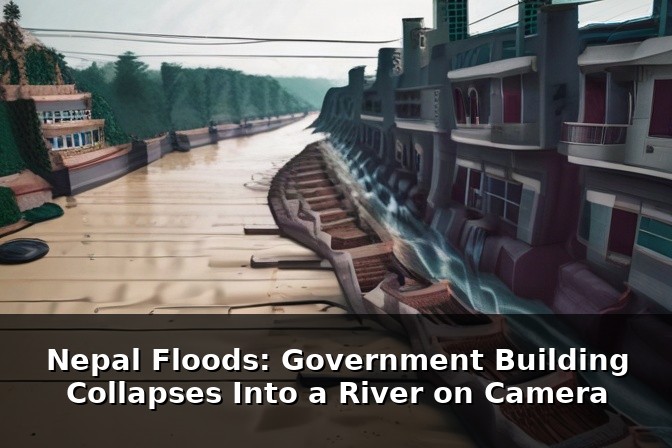
Nepal Floods: Government Building Collapses Into a River on Camera

Posted by CEO Thomas Prendergast on September 30, 2026 - 6:15pm


Nepal Floods: Government Building Collapses Into a River on Camera

Building Resilience in the Face of Floods: Lessons from Nepal’s Public Infrastructure Challenge

In Baglung, a municipal building perched on a fragile ledge amid rising floods ultimately slipped into the river, halting local governance and signaling a broader warning about infrastructure amid extreme weather. This event underscores how floods, landslides, and challenging terrain can imperil public assets and the communities that rely on them.

Context: Floods, terrain, and aging infrastructure

Nepal’s monsoon season routinely delivers intense rainfall that swells rivers and destabilizes slopes. In districts like Baglung, where urban spaces hug riverbanks and hillsides, public buildings face a double threat: water-driven erosion and structural stress from past construction standards. Many facilities were conceived decades ago, with limited guidance on flood and landslide resilience. As climate patterns shift, these vulnerabilities become more pronounced, demanding a rethink of how public spaces are planned, built, and maintained.

What happened and why it matters

During a period of heavy flooding, the municipality building maintained a precarious position on an unstable ledge before collapsing into the river. Beyond the dramatic visuals, the incident disrupted essential services, endangered nearby residents, and created debris that compromised waterways. While the event is locally traumatic, its implications reach far beyond a single site, highlighting how critical public infrastructure can be stretched thin when flood and erosion risks converge with aging facilities.

Key takeaways for resilience and planning

  • Undertake continuous risk mapping for floods and landslides to identify which assets deserve retrofits or relocation.
  • Invest in riverbank stabilization, hillside protection, and slope management to reduce collapse risks along public corridors.
  • Retrofit or relocate vulnerable public buildings to meet flood-resilient design standards and ensure continuity of essential services during crises.
  • Deploy early warning systems and run regular drills for evacuation, sheltering, and incident command among staff and residents.
  • Build redundancy into service delivery, including temporary offices and robust digital channels to maintain accessibility during disruptions.
  • Engage communities in disaster preparedness, ensuring everyone understands evacuation routes, safe zones, and timely updates.

Implications for governance and the private sector

Local governments should weave disaster risk reduction into budgeting, procurement, and project planning, prioritizing structural upgrades, flood defenses, and contingency operations. For entrepreneurs and service providers, the incident underscores the value of business continuity planning, resilient digital infrastructure, and partnerships with relief networks to sustain operations and support affected communities when disasters strike.

Conclusion: Turning a tragedy into stronger resilience

Floods are a formidable tests of public resilience, but they also illuminate pathways to smarter infrastructure and smarter governance. By prioritizing resilient design, proactive risk assessment, and flexible service delivery, districts like Baglung can protect public assets, safeguard residents, and ensure uninterrupted access to essential services—even when nature challenges the limits of conventional infrastructure.

Thomas Prendergast (clone)
By his direction