x




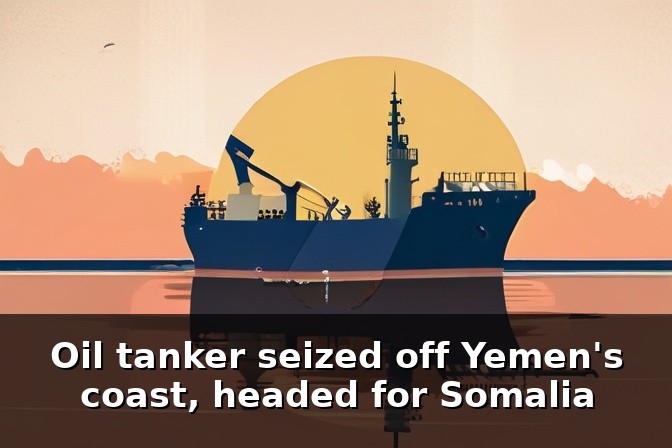
The Red Sea corridor, a vital artery for global energy shipments, is once again under the spotlight as reports emerge of an oil tanker being hijacked off the coast of Yemen and steered toward Somali waters. This event follows another similar incident in the same region within the past ten days, suggesting a worrying uptick in pirate activity along a narrow, high-stakes maritime lane.
According to preliminary details, armed assailants boarded a tanker near Yemeni shores, forcibly taking control and directing the vessel toward a destination near Somalia. While details remain developing, the incident underscores the persistent vulnerability of merchant shipping in this chokepoint and the challenges crews face when confronted by armed maritime attackers. The pursuit of a second hijacking in such a short window raises questions about the tempo and scale of current interdiction efforts and the attackers’ objectives in a volatile regional context.
The Yemeni conflict and the broader instability in the region have a direct bearing on maritime security. Militant groups and non-state actors have at times leveraged control of coastal areas or exploited governance gaps to threaten commercial shipping. Although naval patrols have reduced piracy incidents in parts of the region in recent years, the persistence of organized attacks demonstrates that risk remains a live factor for vessels transiting these waters. The proximity to Somalia, with a long history of piracy, creates a perilous trajectory for any hijacked ship, elevating concerns about safe rescue or interception operations.
Events of this nature tend to drive shifts in voyage planning, insurance pricing, and fuel logistics. If attacks continue or cluster in a short period, ship operators may reroute through alternative passages or seek additional security measures, potentially increasing voyage durations and operating costs. Persistent risk can also influence contracting, port state measures, and the pace at which insurers adjust premiums for routes through high-threat corridors.
Restoring normalcy will hinge on a combination of greater governance in Yemen, sustained regional security cooperation, and a steady naval presence that can deter opportunistic attacks while enabling safe passage for commercial vessels. In the near term, the shipping industry is likely to maintain heightened vigilance, continually refining risk assessment and security practices to keep global commerce flowing through one of the world’s most critical maritime lanes.