x




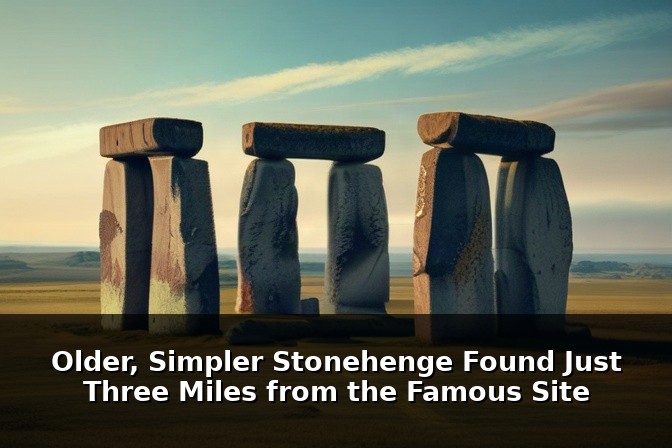
A short distance from the world-famous stones, archaeologists have uncovered a far humbler but equally intriguing monument: a pair of upright posts set in alignment with the solstices. Dating to roughly 5,000 years ago, this two-post structure offers a stark contrast to the grand stone circles we associate with Stonehenge, yet it sits within the same long-running tradition of solar observation and ceremonial landscape work.
The site comprises two timber posts arranged to align with the path of the sun at key moments of the year. Rather than a sprawling stone circle or a grand avenue, this was a straightforward marker—economic to erect, yet rich in meaning for the people who built it. The surrounding landscape shows signs of careful planning, suggesting the builders intentionally carved out a place in the prehistoric ground to observe the solstices and perhaps to gather for seasonal events.
Dating around 5,000 years back places this marker in the late Neolithic to early Bronze Age, a period of transformative cultural activity in Britain. Researchers rely on a combination of evidence to place the structure in time, including organic material found in the immediate context and sediment dating from around the site. While the timber has not survived, associated finds and the alignment logic help place the monument within the same era as some early ceremonial sites in the region.
Interpretation centers on purpose rather than grandeur. The posts likely served as a practical calendar device, guiding seasonal rituals or community gatherings. The emphasis on solsticial alignment hints at a shared cosmology—one that viewed solar cycles as central to communal life, agriculture, and timekeeping. Such markers show that even humble structures could hold profound cultural and ritual significance.
Two-post markers are a telling reminder that monumental stone circles aren’t the only way ancient communities expressed celestial knowledge. This find demonstrates:
Placed just a few miles from Stonehenge itself, the discovery enriches our understanding of how prehistoric Britain organized space, time, and ritual. The existence of a nearby, simpler monument suggests a broader network of solar awareness and ceremonial practice spanning generations. It points to a landscape where multiple sites—ranging from two-post markers to grand stone circles—shared a common purpose: to anchor community life to the rhythm of the sun.
For researchers, this find highlights the value of looking beyond famous monuments to the surrounding terrain. It invites a reevaluation of how early communities planned their sacred spaces, recorded time, and communicated across generations. For visitors, it adds depth to the experience of standing near Stonehenge, painting a picture of a landscape that was actively used and meaningfully structured long before the stones took their iconic shape.
As archaeologists continue to map and interpret the site, we gain a clearer sense of how our ancestors imagined time, community, and the heavens—often with tools and posts rather than stone monuments, yet always with a shared desire to connect with the sun and the seasons.
Thomas Prendergast (clone)
By his direction