x




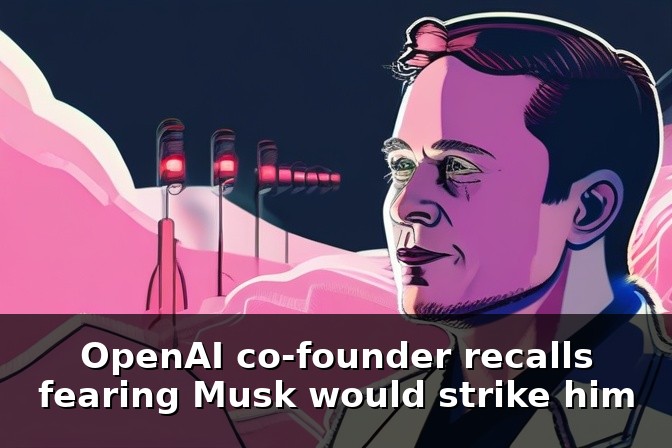
In the second week of a month‑long trial that has captivated the tech world, testimony from OpenAI’s leadership has surfaced a tense moment that underscores the personal stakes behind one of the era’s most influential AI ventures. The case, framed as a governance dispute between Elon Musk and OpenAI’s top executive team led by Sam Altman, isn’t just about documents and contracts. It’s about trust, safety, and the high‑pressure dynamics that come with steering technology capable of reshaping society.
OpenAI began with a mission to ensure that artificial intelligence benefits all of humanity. Over time, the organization evolved into a major force in AI research and development, balancing ambitious breakthroughs with a growing emphasis on safety and governance. Musk’s early involvement and outspoken stance on AI risks set a tone for a broader debate about the direction and control of intelligence systems that could outpace traditional oversight. The dispute at hand centers on governance, strategy, and the future trajectory of the organization—and what that means for transparency, accountability, and the mission itself.
During the trial’s second week, accounts describe a particularly charged exchange involving a key OpenAI figure. In recalling the episode, the witness described a moment of palpable fear in which the speaker felt a serious threat to personal safety. The line, quoted as “I thought he was going to hit me,” has become a focal point for discussions about leadership under pressure, the fragility of professional boundaries, and how private disagreements can spill into public perception when a company sits at the frontier of a transformative technology.
Moments like these illuminate the stressors that come with steering a venture at the intersection of entrepreneurship, research, and societal impact. They reveal how intense founders’ disagreements can be, especially when money, vision, safety, and public trust are on the line. The testimony invites readers to consider:
The episode serves as a reminder that technology leadership is as much about people and processes as it is about code and capital. For AI organizations, this translates into:
Entrepreneurs and marketers in dynamic tech spaces can draw practical lessons from the episode beyond headlines:
As the case unfolds, observers are watching not just for the outcome, but for what it reveals about the human dynamics behind technologies that will shape the economy, policy, and everyday life for years to come. In the world of AI, where the line between bold ambition and responsible stewardship is razor‑thin, leadership culture may prove as consequential as invention itself.