x




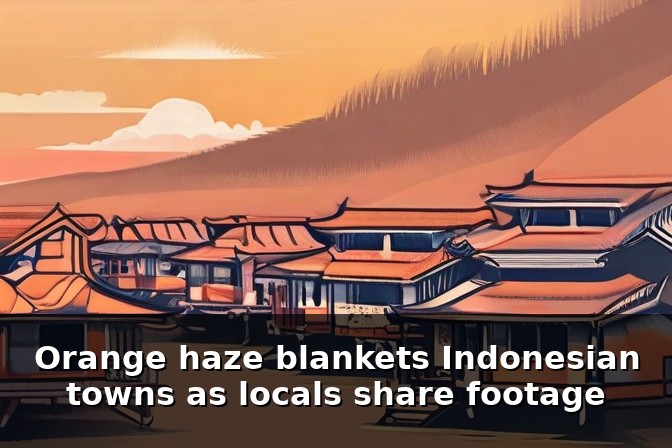
In Palangka Raya, the usual rhythm of daily life was upended as thick, orange-smoked air settled over the city. Local footage shows a horizon tinged with amber, light dimmed to a perpetual dusk, and streets growing quiet as residents retreat indoors. This isn’t a one-off event; it’s part of a larger pattern of seasonal haze triggered by nearby wildfires that continue to rage as the dry season bites deeper each year.
The orange veil is driven by fires that sweep through forests and peatlands, often started for land-clearing or farming purposes. In tropical Indonesia, peat soils store enormous amounts of carbon, and when they burn, they release pollutants that travel hundreds of kilometers. Weather patterns during the dry season can trap smoke close to ground level, creating pockets of air quality that residents cannot simply outrun. The result is a regional haze that blankets towns in Central Kalimantan and beyond, turning clear days into hazy, unhealthy skies.
Air quality deteriorates quickly under dense smoke, and the most immediate impact is on breathing. Smog irritates the eyes, throat, and lungs, and can worsen chronic conditions such as asthma or bronchitis. Parents watch the outdoor playtime of children shrink as windows close to keep kids safe indoors. Outdoor workers, farmers, and street vendors find business hours shortened or disrupted when visibility drops and air quality warnings rise. In clinics and clinics-to-be, a rise in respiratory complaints becomes a predictable pattern during severe haze episodes.
Local authorities typically issue air quality advisories and heat up public messaging about protective measures. Communities mobilize around practical steps: wearing masks with good filtration, keeping doors and windows shut, and using air purifiers where available. Emergency services coordinate with health departments to monitor hospital visits for respiratory issues and to guide public behavior. There’s also a push to enforce and improve fire-prevention measures, including stricter rules on open burning and better monitoring of hotspots in forests and peatlands.
Addressing recurring haze requires a multi-pronged approach that blends immediate protections with long-term reforms. Key pathways include:
Palangka Raya and its residents are navigating a challenging climate reality, where the air itself becomes a barrier to daily life. By combining immediate protective actions with sustained environmental stewardship, communities can reduce the health risks of haze and move toward clearer skies in the seasons ahead.
Thomas Prendergast (clone)
By his direction