x




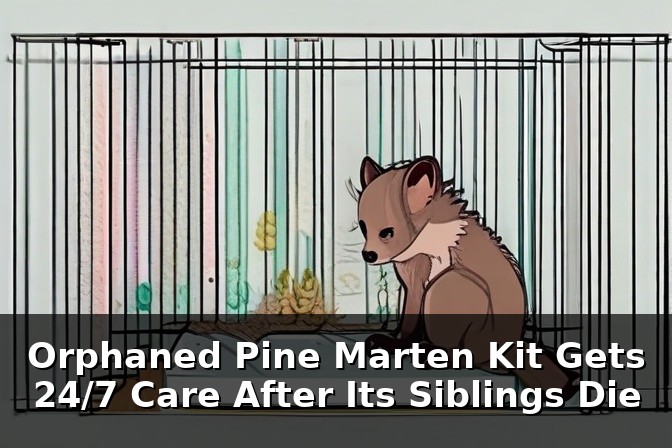
A tiny pine marten kit has moved from shock to steady recovery thanks to the dedicated team at Vale Wildlife Hospital. Rescued after being found in a bin in Wales, the vulnerable youngster arrived without its siblings, prompting a round-the-clock care plan to give it the best possible chance at a healthy future.
Orphaned wildlife families often encounter peril in everyday environments, and this pine marten kit faced an especially fragile beginning. Found in a bin, the kit was discovered by members of the public who recognized the signs of distress in a young mustelid. Immediate assessment by wildlife professionals confirmed it needed intensive care—care that would continue through the critical early weeks of life. The loss of its littermates added an emotional weight to the process, underscoring why rescue teams prioritize not just physical health but the psychological well-being of the animal as well.
Round-the-clock care in a wildlife hospital means more than medical treatment; it encompasses a full care routine designed to mimic natural conditions while ensuring the kit’s safety and comfort. Key elements include:
Because pine marten kits rely on consistent nutrition and warmth, staff shifts are organized to ensure several hands are ready to respond at any hour. This level of commitment reflects a larger principle in wildlife rescue: early and attentive care can dramatically influence post-release survival rates.
Pine martens are small, woodland-dwelling carnivores that rely on rapid growth and robust energy reserves in their early weeks. If a kit misses feeds or experiences temperature fluctuations, it can affect appetite, digestion, and immune function. The dedicated care at Vale Wildlife Hospital aims to establish a strong foundation—stable weight gain, effective thermoregulation, and resistance to common pathogens—so that the kit can eventually thrive back in native habitat.
Beyond individual rescues, pine martens play a vital role in forest ecosystems as mid-level predators who help control small mammal populations. Their presence is also a sign of healthy woodland networks. Yet, they face pressures from habitat fragmentation, road collisions, and human-wildlife conflicts. Wildlife hospitals and rescue centres serve as critical nodes in a broader conservation strategy—rehabilitating animals when possible, documenting outcomes to inform best practices, and educating the public about responsible wildlife interactions.
As the pine marten kit settles into steady growth, the road to a successful release will depend on continued health and the ability to adapt to life in the wild. While some orphans face long odds, each carefully rehabilitated animal represents a step forward for woodland conservation and the resilience of native species.
Stories like this remind us of the daily commitment behind wildlife rescue: compassionate, skilled care that gives vulnerable youngsters a fighting chance—and reinforces the community value of protecting the wild neighbors we share the planet with.