When Everyday Life Takes Flight: Lessons from a Sumy Coffee Shop Moment
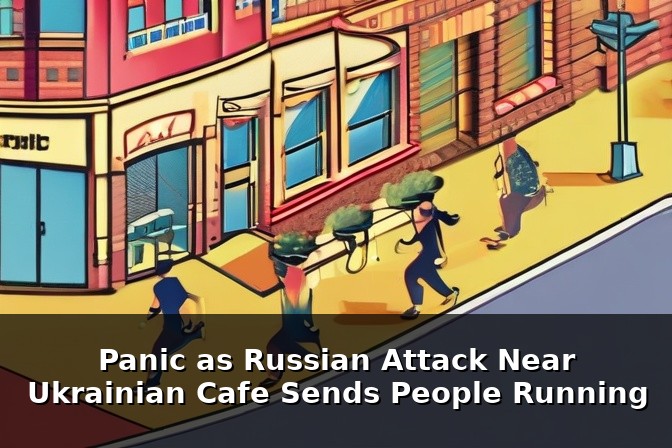
In a matter of seconds, the calm of a morning ritual can crumble. In Sumy, a northeastern Ukrainian city, footage from multiple cameras captured a stark scene: customers ducking behind tables, then sprinting for shelter as danger loomed close by a familiar neighborhood coffee shop. The moment, though brief, speaks volumes about how conflict touches ordinary life and how communities respond under pressure.
What the footage shows
The video sequence is simple yet powerful. People crouch to shield themselves, a few clamor toward the exit, and the hum of daily chatter is replaced by urgency. The coffee shop — a place for quick meetings, study sessions, or a casual break — transforms into a frontline cue for civilians to prioritize safety. The camera captures not just fear, but a shared instinct to protect one another and seek immediate shelter as threats unfold in the vicinity.
Why this matters beyond the moment
Sumy has long relied on its role as a local hub where residents connect, work, and unwind. When the threat of violence intrudes into everyday spaces, it underscores a broader truth: civilian life is fragile in conflict zones, and even small businesses become touchpoints for resilience. Cafés, coworking spots, and other casual venues are more than commerce — they are social lifelines. In times of danger, their locations become makeshift sanctuaries, community bulletin boards, and nodes of mutual support.
What entrepreneurs can take away
- Prioritize safety and clear protocols — Develop a concise evacuation plan for staff and customers, designate assembly points, and practice drills so everyone knows what to do when sirens or alerts sound.
- Build a solid business continuity plan — Maintain cash reserves, diversify suppliers, and set up remote or hybrid workflows so work can continue even when physical premises are compromised.
- Strengthen digital infrastructure — Invest in cloud-based tools, online ordering, remote access, and secure data backups to keep operations flowing if in-person service is disrupted.
- Communicate with customers openly — Use predefined channels to provide updates, safety guidance, and flexible options (cancellations, refunds, or rescheduling) during disruptions.
- Be prepared to adapt offerings — Consider shifting to delivery, takeout, or online experiences that maintain revenue while respecting safety concerns.
- Protect staff well-being — Provide safety training, mental health support, and flexible scheduling to reduce stress during crisis periods.
- Foster community partnerships — Collaborate with other local businesses and organizations to share resources, shelter information, and relief efforts when crises arise.
Practical steps to boost resilience
- Inventory and cash flow checkups: Regularly review stock, liquidity, and contingency budgets to weather short-term shocks.
- Redundant systems: Duplicate critical tech (payments, POS, connectivity) to minimize downtime during outages or disruptions.
- Safety drills and signage: Post clear emergency routes, exits, and assembly points; rehearse with staff and display visible guidance for customers.
- Community-aware marketing: Build messaging that acknowledges safety concerns, offers flexible options, and reinforces trust during uncertain times.
- Insurance and risk planning: Review coverage for business interruption, property damage, and liability to ensure adequate protection.
Moments like the one captured in Sumy remind us that resilience is built through preparation, adaptability, and a community-first mindset. For entrepreneurs, the takeaway is clear: weave safety and continuity into the fabric of your business strategy, lean into digital capability, and stay connected with the people who rely on you. In the face of disruption, it’s the consistent, thoughtful actions that keep communities and ventures moving forward.