x



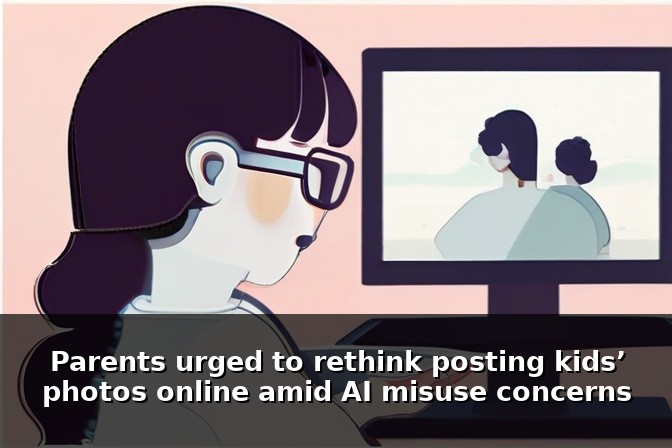
Recent warnings from the National Crime Agency highlight a growing risk: AI tools can repurpose children's images to generate new child abuse material. This creates a chilling incentive for criminals and raises questions for families who share photos online.
AI-powered content generation and deepfake techniques can take seemingly innocent family photos and produce new, manipulated images. Even photos posted with good intentions can be scraped, repurposed, or used to train models without consent. The result can be harmful, non-consensual, and dangerous for children.
Parents often share moments to keep family memories, celebrate milestones, or connect with friends. The stakes are higher now: once something is online, it can persist, be copied, and reinterpreted in ways you didn’t foresee. This requires a proactive approach to privacy and risk management at home and in online communities.
Take stock of what’s live, switch accounts to stricter privacy, and remove posts where possible. Encourage relatives and friends to do the same. Regularly audit your posts and privacy settings as apps update their terms and features.
Tech platforms are under pressure to strengthen AI safety tools, improve image moderation, and provide clear reporting channels. Communities like Markethive can model best practices by enforcing privacy-first norms, providing simple privacy controls, and educating members about the risks of freely sharing children’s images.
In the end, the call from safety authorities is clear: protect children by being mindful about what you share online. A small shift in posting habits today can reduce exposure to harmful AI-driven misuse tomorrow. Start with one privacy tweak this week and involve your family in the conversation.