x




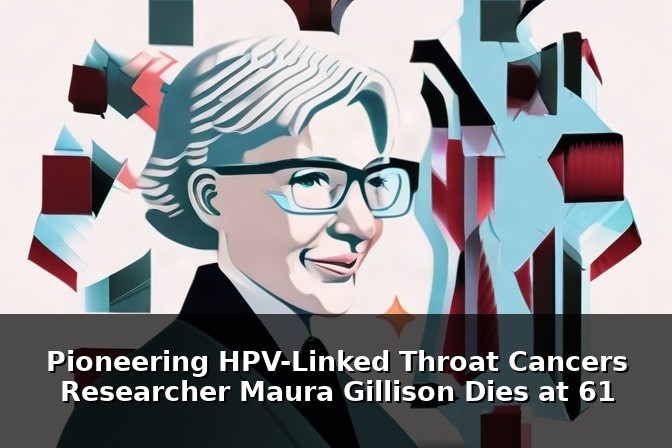
Maura L. Gillison, a pioneering physician-scientist, has died at 61. Her work redefined how we understand throat cancers and sparked a wave of changes in diagnosis, treatment, and prevention that continue to shape oncology today.
For decades, the field largely attributed most head and neck cancers to smoking and heavy alcohol use. Gillison challenged that view by uncovering a viral culprit: human papillomavirus (HPV). Her research revealed that a meaningful subset of oropharyngeal cancers—tumors of the tonsils and base of the tongue—were driven by HPV infection, often in patients without traditional risk factors. This breakthrough shifted the narrative from a smoking-centric model to a more nuanced picture that included infectious etiology and distinct tumor biology.
Her investigations began to illuminate the scene in the late 1990s and early 2000s, when she and colleagues detected HPV DNA in a large portion of oropharyngeal tumors. The finding showed that some throat cancers arose from a viral infection rather than solely from carcinogens in tobacco or alcohol. It also indicated that HPV-positive cancers could behave differently from their HPV-negative counterparts, with implications for prognosis and treatment decisions.
The HPV connection reframed everything clinicians thought they knew about risk, screening, and care. Tumors testing positive for HPV tended to have a more favorable prognosis and may respond more robustly to standard therapies. This understanding led to routine HPV testing in tumor workups and the adoption of p16 immunohistochemistry as a practical stand-in for HPV status. It also opened doors to tailored treatment strategies and a growing emphasis on reducing treatment intensity for HPV-positive cancers without compromising outcomes.
Beyond the lab, Gillison’s work influenced patient discussions, clinical guidelines, and public health policy. By reframing throat cancers as potentially virus-driven, she helped reduce stigma, emphasized vaccination’s broader cancer-prevention potential, and underscored the importance of early detection. Her leadership and mentorship cultivated a new generation of researchers who continue exploring how viruses interact with cancer and how best to personalize care to improve survival and quality of life.
As the field builds on her foundation, the focus remains on optimizing treatment for HPV-positive cancers, expanding prevention through vaccination, and ensuring accurate, compassionate care for patients. Maura L. Gillison’s work will continue guiding clinicians, researchers, and public-health professionals as they strive to reduce HPV-related cancers and improve outcomes for everyone facing this disease.
Her passing serves as a powerful reminder of the impact one investigator can have on medicine—and of the enduring value of curiosity, collaboration, and patient-centered science.
Thomas Prendergast (clone)
By his direction