x




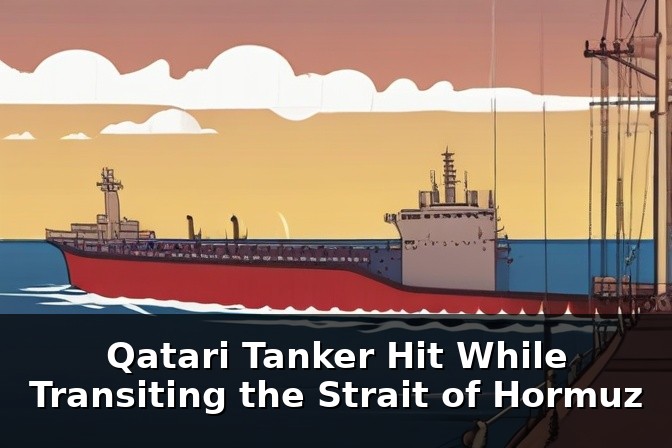
Early reports indicate a Qatari-flagged tanker was struck while traversing the Strait of Hormuz, sustaining significant damage. While details remain scarce, the incident underscores the fragility of a corridor that handles a substantial share of the world’s energy trade. In the densely watched waters of Hormuz, a single event can ripple across shipping routes, insurance markets, and regional security calculations.
The Strait of Hormuz is one of the world’s most critical maritime chokepoints. A sizable portion of the planet’s oil and other commodities pass through this narrow channel, linking producers in the Middle East with buyers across Asia, Europe, and beyond. The vulnerability of such a route means that security incidents can quickly influence costs, transit times, and strategic calculations for nations that rely on steady energy flows.
Hormuz has long been a focal point of regional security dynamics. Even isolated incidents can ignite broader strategic considerations, given the array of regional actors with interests in the area. While it is premature to assign responsibility or motives without official investigations, the event will likely prompt a renewed emphasis on de‑escalation, communication channels, and coordination among international navies and regional partners.
Any disruption in Hormuz reverberates through the energy complex. Even short-term disturbances can prompt shifts in crude and product pricing, alter refinery logistics, and prompt discussions about alternate routing through closer or longer sea lanes. In the wider economic picture, sustained risk to a key transit route tends to boost the cost of risk for buyers and sellers alike, influencing purchase decisions and contract negotiations across regions.
Incidents in the Strait of Hormuz remind the world that stability in global trade hinges on safe, predictable routes for energy and essential goods. While authorities work to assess what happened and prevent future occurrences, the incident underscores the ongoing need for robust international cooperation, clear maritime norms, and pragmatic risk management for anyone who relies on this vital waterway. In an era of heightened security awareness, proactive preparation and open channels of communication remain the best tools to safeguard commerce and protect the people who depend on it.