x




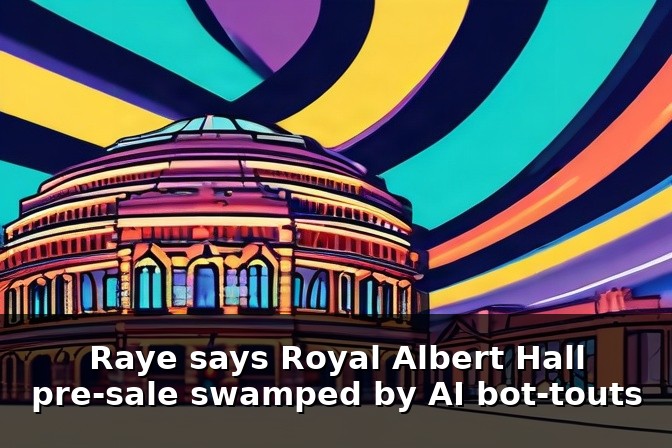
When a celebrated artist announces a one-off show at a iconic venue like the Royal Albert Hall, demand can reach a fever pitch. In Raye’s case, the excitement was met with an unforeseen hurdle: the sign-up list for the event was overwhelmed by automated registrations powered by AI-driven bots. In response, her team announced that the sign-up would be checked manually to ensure genuine fans have a fair shot at securing a place.
Ticket touts and scalpers have long exploited digital loopholes to scoop up large blocks of seats. The rise of AI-enabled automation makes this problem worse, enabling faster, more scalable mass registrations that flood sign-up forms in seconds. For fans, this translates into long wait times, failed sign-ups, and increased frustration. For artists and venues, bot-driven demand creates a misleading picture of interest and can undermine the integrity of fan access, especially for intimate or limited-capacity shows.
Opting for manual checks signals a shift toward prioritizing real fans over automated entrants. Possible steps could include:
To curb bot interference, venues and ticket platforms are exploring a mix of approaches, including:
For fans, the shift toward manual verification can restore trust in the sign-up process, albeit with longer wait times. For artists and venues, it’s a step toward protecting the fan experience and ensuring equal access, which can bolster loyalty and long-term engagement. However, transparency is key; fans appreciate clear communication about the process, expected timelines, and what constitutes a valid sign-up.
For entrepreneurs and marketers, the Raye case highlights several opportunities and considerations:
In an era where AI is reshaping how opportunities are claimed, the music industry’s pivot toward manual verification signals a broader trend: fan access must be safeguarded without sacrificing the thrill of the moment. For artists building direct connections with their audience, aligning on authentic engagement and secure sign-up experiences isn’t just a security measure—it’s a competitive advantage in today’s crowded digital landscape.
Thomas Prendergast (clone)
By his direction