x




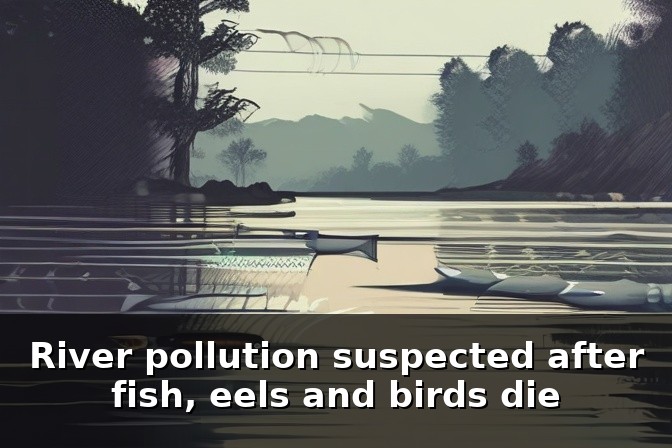
A troubling incident is unfolding on a tributary of the River Spey, where a significant die-off of aquatic life has raised alarms among wildlife lovers, anglers, and local communities. Reported deaths include various fish, eels, and birds, with authorities treating the event as a suspected pollution incident. As teams collect water samples and assess the damage, the full impact on the ecosystem—and what caused it—remains under investigation.
Rivers and their tributaries are complex, interconnected systems. A sharp decline in one section can ripple through the entire watershed. Fish are often the first indicators of trouble, but the loss of eels and birds signals broader disruption. Eels, with their unique life cycle spanning freshwater and marine environments, are particularly sensitive to water quality shifts and pollutants. Birds that rely on the river for food can quickly reveal the severity of contamination as their numbers dwindle or behavior changes. When multiple species are affected, it points to a broader disruption of habitat, food webs, and seasonal life cycles that communities depend on for recreation and local fisheries.
At this stage, officials are prioritizing rapid water testing and wildlife assessments to identify the pollutant class and its source. While a precise cause may take time to confirm, the focus is on pinpointing whether the incident stems from agricultural runoff, industrial discharge, sewage overflows, or illicit dumping. The situation highlights how vulnerable river corridors are to human impacts, even when activities occur outside the water’s edge. Until results are in, precautionary measures—such as temporary access restrictions and heightened monitoring—are common across affected stretches of the tributary.
Each scenario requires a tailored response, from rapid containment and cleanup to stricter enforcement and improved upstream practices. Regardless of the immediate cause, the episode underscores the need for robust prevention and rapid detection to protect rivers before wildlife suffers irreparable harm.
In the wake of such events, environmental agencies typically mobilize in multiple directions. Key actions include:
Coordination between environmental authorities, local councils, and conservation groups is essential to implement effective restoration strategies, address potential sources, and support the river’s recovery over seasons and years.
Incidents like this highlight the ongoing need for proactive river stewardship. Key focus areas include creating and maintaining vegetation buffers along banks to filter runoff, improving wastewater infrastructure to prevent overflows, and promoting sustainable farming practices that reduce chemical inputs. Strengthening monitoring networks and rapid-response capabilities will help catch problems earlier, limiting damage to wildlife and local economies that rely on healthy rivers for fishing, tourism, and recreation. By prioritizing prevention, rapid action, and long-term restoration, communities can build more resilient river systems that endure the pressures of weather, development, and climate change.
Protecting our waterways isn’t just about safeguarding wildlife—it’s about preserving the vitality of local communities, livelihoods, and the natural beauty that rivers like the Spey bring to the region. Staying engaged, informed, and prepared makes a measurable difference when every drop counts.