x




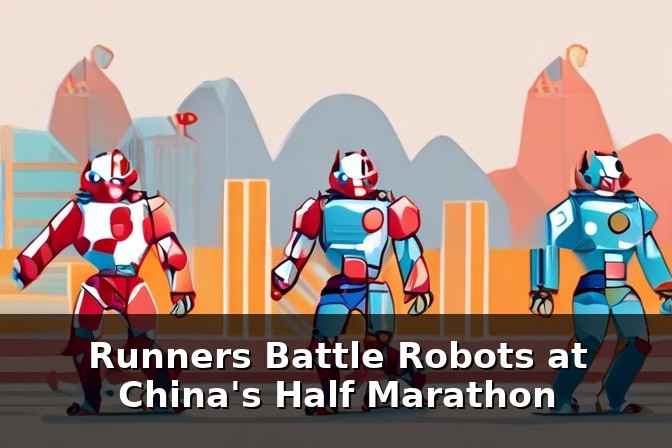
Beijing recently hosted an unusual race that fused sport with cutting-edge robotics: a half marathon featuring autonomous machines racing alongside human runners. In a display of precision and endurance, the leading robot finished ahead of its human rivals, turning heads and sparking a conversation about the future of athletics, technology, and the collaboration between the two.
The event brought together a range of robotic entrants, each designed to optimize speed, balance, and navigation over a demanding 21.0975-kilometer route. While human athletes battled fatigue, terrain, and pacing, the top machine demonstrated a level of consistency that’s hard to match in endurance sports. Spectators witnessed a clear moment where technology asserted its place in a field traditionally reserved for human limits. The takeaway: this isn’t a gimmick race but a real test of autonomous mobility under real-world conditions, complete with crowds, water stations, and a changing environment around the course.
This race isn’t just a novelty; it signals a broader shift in how we think about performance, training, and the spectator experience. For athletes, robotics can offer advanced analytics, endurance testing, and new training partners that push human limits in safe, controlled ways. For organizers and brands, robotic entrants create compelling storytelling, new sponsorship opportunities, and data-rich demonstrations of technology in action. The Beijing race also underscores a growing convergence between consumer tech and athletic performance—areas where Markethive’s audience of entrepreneurs can find fertile ground for collaboration, marketing innovations, and new business models centered around automation, wearables, and AI-driven coaching.
As robotics edge further into public-facing events, questions about fairness, safety, and the role of machines in sports inevitably arise. Clear race formats, transparency about the capabilities of competing robots, and rigorous safety protocols help ensure that the spectacle inspires without compromising participants. The event also invites reflection on how society values human achievement when machines can perform at or beyond human levels in specific tasks. Embracing this dialogue can lead to responsible innovation that augments human talent rather than competing against it.
Expect to see more exhibitions and competitive demonstrations where robots tackle endurance challenges, from marathons to obstacle courses. Advances in sensors, AI, and energy storage will only heighten robot performance, while collaborations with human athletes could yield hybrid training methods and new benchmarks for performance analytics. For entrepreneurs and marketers, these developments open doors to new product categories, sponsorships, and community-building strategies around robotics-enabled fitness and event experiences.
The Beijing half marathon showcased a future where machines and humans share the track, each pushing the other to new heights. As robotics become more integrated into sports, the lines between competition, collaboration, and demonstration will continue to blur—carrying with them exciting opportunities for athletes, technologists, and the entrepreneurial community alike.