x




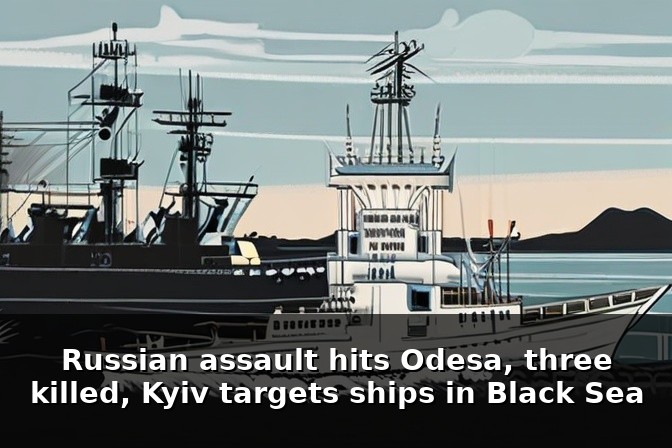
In the latest round of fighting, Russian strikes hit the Ukrainian port city of Odesa. Local authorities report three people killed and three wounded as the bombardment damaged infrastructure and disrupted life in one of Ukraine's busiest gateways to the sea. At the same time, Kyiv has escalated maritime operations, focusing on vessels in the adjacent Black Sea as part of a broader effort to challenge Russian control of shipping lanes. The dual dynamic underscores how civilian targets and sea routes remain intertwined in this ongoing conflict.
The reported casualties highlight the civilian cost of the conflict, extending beyond immediate loss of life. Hospitals, homes, and essential services come under pressure as families seek safety and care. The attack also threatens the functioning of Odesa’s port complex, a linchpin for regional supply chains and humanitarian relief, with potential ripple effects for merchants and communities that depend on steady access to goods and markets.
There are indications that Ukraine has targeted vessels in the Black Sea as part of its maritime defense strategy. While these operations aim to deter Russian supply lines and reinforce deterrence, they also raise the risk of miscalculation and broader regional tension. The international community has called for de-escalation and strict adherence to maritime law, yet the contest over sea lanes remains a volatile theatre in the broader conflict.
The situation remains highly fluid. With maritime corridors uncertain and civilian infrastructure at ongoing risk, the coming days could see further tests of resolve from all sides. For the global economy, the focus will be on preserving safe shipping lanes, ensuring humanitarian relief reaches those in need, and supporting Ukraine’s economic stability as it navigates this tense maritime landscape.