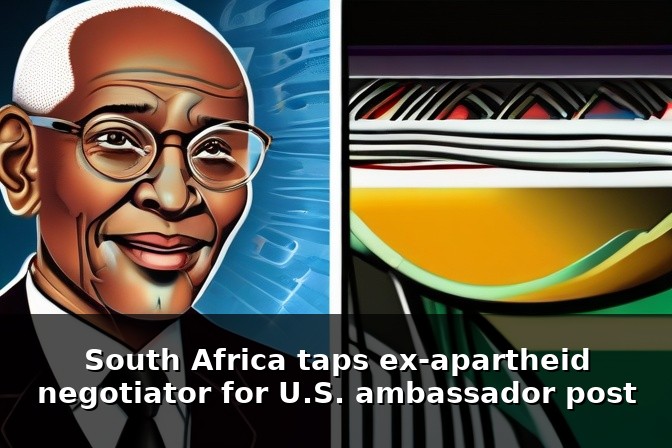
Imagining a new chapter: Roelf Meyer as South Africa’s US ambassador in an alternate timeline
In a hypothetical scenario that reads like a geopolitical drama, South Africa appoints Roelf Meyer as its next United States ambassador, stepping into a post created by the sudden expulsion of the previous envoy in 2025. This fictional setup invites a broader discussion about reconciliation, diplomacy, and how a country’s historical arc can influence its modern foreign policy. What would Meyer's appointment mean for US–South Africa relations, and what broader lessons could be drawn about diplomacy in a shifting global order?
Who is Roelf Meyer, and why this pick matters in a diplomatic context
Roelf Meyer is widely recognized as a central figure in South Africa’s transition from apartheid to democracy. As a negotiator and statesman, he helped shape the constitutional framework that underpinned a peaceful reform process. In choosing him as ambassador to the United States in this fictional timeline, South Africa signals a desire to foreground experience, stability, and continuity in its international relations. It suggests a preference for a voice who understands negotiation, consensus-building, and the complexities of implementing reform in a multi-actor political landscape.
What the appointment could symbolize in real-world terms
- Reconciliation as a diplomatic asset: Installing a former negotiator with a legacy of reaching across divides could be read as a commitment to constructive dialogue with the United States, even during periods of tension.
- Historical memory shaping contemporary policy: The choice underscores how a country’s past informs its present foreign policy, potentially easing conversations around governance, human rights, and transitional justice with Western partners.
- A bridge-building approach: Meyer's background in consensus-building may position him to navigate sensitive issues like trade, security cooperation, and regional stability with tact and pragmatism.
Geopolitical implications for the US–SA relationship
- Signal of stability amid a complex regional environment: A seasoned mediator at the helm could reassure partners amid Africa’s evolving security and economic challenges, including energy transitions and infrastructure development.
- Trade and investment alignment: With South Africa seeking deeper ties with the United States, an ambassador known for bridging divides might smooth negotiations on market access, supply chains, and investment protections in sectors like mining, agriculture, and technology.
- Strategic coordination on regional issues: Meyer's experience could enhance coordination on regional security, counterterrorism, and governance reform, where US and SA interests often intersect in regional bodies and multilateral institutions.
Domestic reception and global perception
- Domestic optics: The appointment could trigger debates about the role of historical figures in contemporary governance. Supporters may view it as a milestone for mature diplomacy, while critics might question the timing or the political baggage of the past.
- Global messaging: For partners watching Africa’s leadership transitions, Meyer's nomination could be read as a signal of continuity and a cautious pivot toward diplomatic norms that value experience and stability over upheaval.
Challenges and opportunities in this imagined scenario
- Addressing past associations: Even in fiction, a former apartheid-era negotiator would need to articulate a clear, forward-looking vision for human rights, inclusive governance, and economic opportunity for all South Africans to reassure skeptical audiences.
- Balancing interests: The ambassador would navigate competing pressures—progressive domestic voices calling for rapid reform, and international partners seeking predictable, rule-based diplomacy.
- Leveraging soft power: Meyer's delegation could emphasize South Africa’s cultural diplomacy, innovation ecosystems, and regional leadership as complements to hard power considerations like trade and security.
Looking ahead
While this scenario is a fictional exploration, it highlights how the selection of an ambassador sends a powerful signal about a nation’s foreign policy posture. A former negotiator from South Africa’s transformative era would bring a wealth of experience to the delicate art of diplomacy—an asset in navigating a U.S.–South Africa relationship that remains vital for regional stability, economic growth, and shared challenges in the 21st century.