x



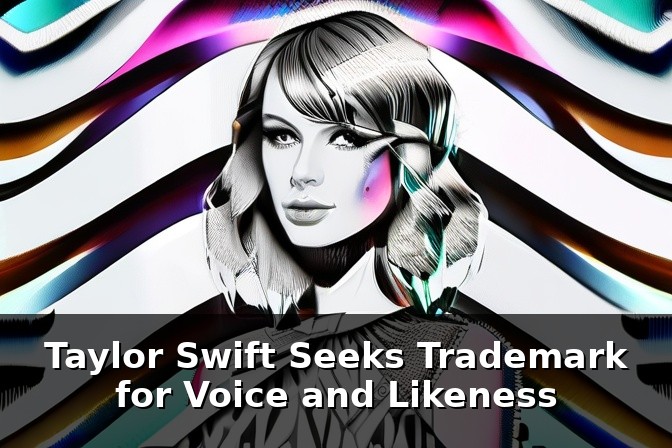
In a bold move to safeguard her brand in a world where artificial intelligence can imitate voices and likenesses, Taylor Swift has pursued trademark protection for both her vocal identity and her image. This step goes beyond traditional marketing; it’s a strategic bid to control how her distinctive presence is used across products, platforms, and experiences—especially as AI-generated content becomes more capable of mimicking famous artists.
Trademarks are about identifying the source of goods or services in the marketplace. While most people think of logos and brand names, marks can extend to distinctive sounds or images that signal a specific brand. A voice or a stylized portrait could function as a source indicator, provided it’s distinctive and actually used to distinguish Swift’s brand in commerce. That means the mark would apply to items like merchandise, concert imagery, promotional materials, and digital experiences where Swift’s name or likeness helps consumers recognize the brand.
However, registering a voice or an image as a trademark isn’t automatic. Examining bodies review whether the mark is unique enough to prevent confusion and whether it’s actually used in commerce. In practice, a successful voice mark demands a voice—distinctive, recognizable, and associated with Swift as the producer or sponsor of the goods or services. An image mark, likewise, must function as a clear identifier of the Swift brand, not merely a depiction of her appearance.
The speed and accessibility of AI tools have introduced new risks: unauthorized AI-generated covers, clones that imitate vocal timbres, and deepfake visuals that could misrepresent endorsement or affiliation. By securing voice and image marks, Swift and her team aim to:
For artists, this move signals a growing willingness to treat voice and image as protected brand assets in an increasingly synthetic era. It supports more deliberate control over how their talent is represented and monetized, including innovative offerings like voice-driven experiences or AI-powered fan interactions that still originate from the official brand.
Platforms and creators who rely on AI-generated content will need to navigate stricter expectations around authenticity and source attribution. The marks could enable Swift to demand licensing or deny use that might threaten her brand, creating a clearer legal pathway to address potential misrepresentations.
Fans may notice both protective and practical effects: enhanced assurances that new content bearing Swift’s voice or likeness is officially sanctioned, along with potential limits on fan remixes or AI-inspired tributes that could blur lines between homage and brand misrepresentation.
Taylor Swift’s filing reflects a broader trend where wearable identity—voice, image, and persona—becomes a tangible asset in a digital economy. As entertainment and tech converge, more artists may pursue similar protections to maintain control over their creative output and the authentic connection they build with audiences. While a trademark won’t stop every form of AI-generated content, it creates a powerful legal tool to govern how a public figure’s voice and image are used in commerce and media.
In an era of rapid technological change, safeguarding the authenticity of a public figure’s voice and image is increasingly about brand stewardship. Taylor Swift’s trademark strategy illustrates how artists can blend traditional rights with modern protection strategies to navigate the complexities of AI, licensing, and fan engagement—keeping the pulse of her brand while shaping its future in the digital landscape.