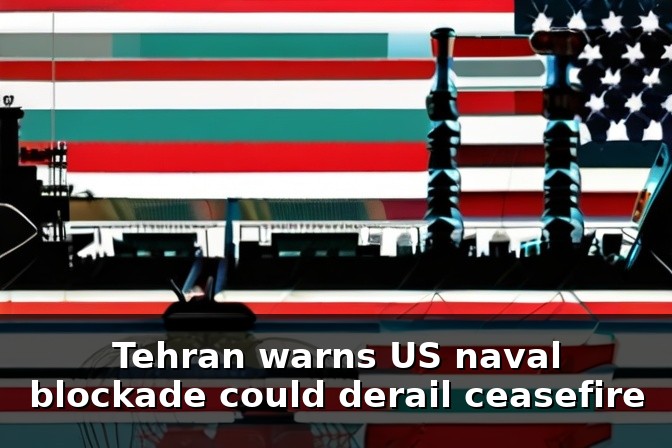
Iran’s Warning on a Naval Blockade: What It Could Mean for a Ceasefire
The Gulf region sits at a critical crossroads as tensions between Iran and the United States intensify. Recent signals from Tehran indicate a hardening stance: if U.S. vessels continue to be blocked, Iran says it will halt all trade in the Gulf. This raises the stakes for any negotiated ceasefire or de-escalation effort, turning a diplomatic moment into a potential powder keg with real-world consequences for global markets, shipping, and regional stability.
What Iran is signaling
- Ultimatum framing: Tehran ties its willingness to honor ceasefire commitments directly to the behavior of U.S. naval and economic measures in the Gulf.
- Trade as leverage: By threatening to halt Gulf commerce, Iran signals an intention to weaponize economics as a strategic instrument should diplomacy falter.
- Escalation logic: The move would likely be presented as a response to sustained external pressure, with the implication that any continued blockade could push the region toward broader disruption.
Why a Gulf-wide blockade would matter
- Energy and shipping lifelines: The Gulf is a busy artery for global oil, LNG, and container traffic. A halt would ripple through oil prices, insurance costs, and shipping schedules.
- Market volatility: Traders would likely react quickly to the disruption of flow, triggering price swings in Brent, WTI, and regional benchmarks, as well as heightened hedging activity.
- Supply chain risk: Even if the blockade targets specific routes or vessels, indirect impacts—port congestion, rerouting, and longer voyage times—would affect manufacturers and consumers worldwide.
Context: why this stance matters now
Past weeks have underscored a fragile balance between deterrence and diplomacy in the Persian Gulf. Sanctions, naval patrols, and regional alliances shape every maneuver, while economic pressures amplify political calculations. Iran’s latest warning arrives at a moment when both sides must weigh the costs of miscalculation against the gains of restraint.
Implications for a potential ceasefire
- Ceasefire viability under pressure: A blockade threatens to undermine confidence-building steps, making concessions harder to justify to domestic audiences on both sides.
- Incentives for compromise: If the blockade risks a larger economic crisis, there could be renewed motivation to the negotiating table to secure de-escalation, sanctions relief, or security guarantees.
- Risk of miscalculation: Misreading intentions or misidentifying a blip as a deliberate threat could trigger unintended incidents at sea, with rapid escalation potential.
What businesses and markets should monitor
- Shipping lanes and insurance: Watch for changes in tanker routes, port calls, and premium costs as insurers reassess risk in the Gulf.
- Energy pricing: Oil and LNG markets would respond to supply uncertainty. Traders should consider scenario planning around price thresholds and inventory strategies.
- Geopolitical signaling: Statements from regional powers, allied navies, and international mediators will provide early signals about escalation or de-escalation paths.
Paths toward de-escalation
- Diplomatic channels: Reinvigorated talks, confidence-building measures, and third-party mediation could deflate the immediate threat of a blockade.
- Sanctions diplomacy: Calibrated relief or phased policy adjustments may offer a way to appease economic concerns while preserving strategic aims.
- Escalation management: Clear red lines, deconfliction mechanisms, and maritime rules of engagement can reduce the risk of misinterpretation at sea.
Takeaways for readers on Markethive
Geopolitical risk directly intersects with market risk. For entrepreneurs, investors, and traders, it’s essential to factor potential supply disruptions into risk assessments, diversify sourcing, and maintain flexible logistics plans. Stay informed about evolving alliances, maritime security developments, and energy-market signals—these elements can quickly shift the balance between stability and volatility in regional and global markets.
Bottom line
Iran’s warning highlights how tightly linked diplomacy, economic policy, and regional security are in the Gulf. The key question remains: can dialogue create a sustainable path to restraint and a lasting ceasefire, or will economic pressure push the region toward broader disruption? Markets and businesses will be closely watching as events unfold, ready to pivot to protect value and continuity.