
x
Black Bar Banner 1
x

NEW: About Me Look — turn on a full-width dark About Me from your profile Configuration (Profile Page Upgrade). The Academy, profile feeds and Media Feed now read like the News Feed. See Subscriptions »

New: AI Blog Autopilot — free for the next 30 days. Switch it on by November 15th »

NEW: Smart Mail is live — free for every member. Send broadcasts, build lists and run autoresponders. Open Smart Mail »

New training: The Campaign Map. Watch it now »

A+ A−
Ads by Markethive - View All
The Blog Feed
The Blog Feed
» Blog Feed
Write a New Blog Post
Search Blog Status
Most Viewed
Most Recent
Most Shared
Alphabetical
Markethive Blog (default)
My Blog Posts
Friends' Blogs
Blog Categories
All
Advertising
Blockchain & Cryptocurrency
Business Development
Diet & Weight Loss
Environmental
Health and Wellness
History and Culture
Home and Garden
Marketing
Mentoring & Training
Money & Finance
Other
Political
Prayer & Religion
Programming & Technical
Real Estate
Search Engine Optimization
Social Media
Spirituality
Sports & Recreation
Transport
Travel & Events
Website Design
Blogging Tools & Assets
My Blog Info
Members Subscribed to You
Blogs You Are Subscribed To
Website Widget
Wordpress Plugin
Subscribe for Greater Services
Subscribe to one of many subscriptions, each one includes the previous ones.. Unlock powerful tools, advance features, to build a powerful reach.

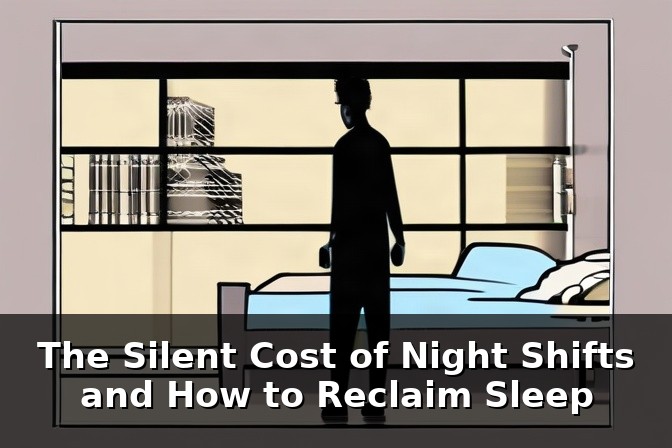
The Silent Cost of Night Shifts and How to Reclaim Sleep

Posted by CEO Thomas Prendergast on August 09, 2026 - 6:15am


The Silent Cost of Night Shifts and How to Reclaim Sleep

The hidden cost of the night shift and how to sleep it off

In the UK, more than three million people work nights. The toll isn’t just fatigue at the end of a shift—it runs deeper, affecting health, performance, and daily life. For many, the challenge isn’t simply “sleep now”—it’s learning to sleep when the body expects to wake and work. Here’s how to understand the cost and what can be done to soften the impact.

The hidden cost of the night shift

Working through the night disrupts the body’s natural clock, the circadian rhythm, which governs sleep-wake patterns, hormones, metabolism, and mood. The misalignment creates a domino effect that can persist beyond the workplace.

  • Irregular sleep, shorter duration, and poor quality can lead to chronic sleep debt that compounds over weeks or months.
  • Long-term night work has been associated with higher risks of obesity, type 2 diabetes, and heart-related issues due to disrupted appetite hormones and activity patterns.
  • Mood fluctuations, anxiety, and reduced concentration are common, impacting decision-making, memory, and creativity.
  • Conflicts over time with loved ones and limited social life can amplify stress and reduce overall life satisfaction.
  • Fatigue impairs reaction time and awareness, increasing the chance of accidents at work or on the commute.
  • Some research links chronic night work with certain health risks, underscoring the importance of mitigation strategies and regular health checks as part of workplace care.

Strategies to sleep it off: practical steps for workers and employers

Lock in a sleep-friendly routine

Consistency matters. Try to固定 your main sleep window, even on days off. Create a wind-down routine that signals bedtime—dim lights, a warm shower, gentle stretching, and a cool, dark room. Limit caffeine and heavy meals close to the end of the shift to help your body prepare for rest.

Master light and timing

Light is the primary cue that resets the internal clock. During night shifts, use bright lighting to stay alert. On the way home after a night shift, wear sunglasses to minimize morning light exposure. When you wake, get natural daylight or bright artificial light to help reset your rhythm. If shifts rotate, aim for a plan that minimizes abrupt clock changes and provides a window to adapt.

Nap strategically and caffeine wisely

Short, planned naps can boost alertness and performance. A 20–30 minute nap before or during a shift often helps without leaving you groggy. Use caffeine strategically—early in the shift or during peak fatigue—but avoid consuming it late in the cycle to protect night-time sleep quality.

Nutrition, exercise, and boundaries

Gentle, balanced meals support energy and metabolism. Favor lighter dinners before night work and avoid heavy, fatty foods at the tail end of the shift. Hydration is key, but limit overdoing fluids right before sleep. Regular, moderate exercise helps regulate sleep, just avoid intense workouts too close to your sleep window.

Employer role and policy ideas

Workplaces can play a pivotal part in reducing the hidden costs of night work. Practical steps include:

  • Adopting stable night schedules where possible and avoiding abrupt, frequent rotations.
  • Providing quiet nap spaces or rest areas and protected break times to recharge.
  • Offering health screenings, mental health support, and education on sleep hygiene and shift work risks.
  • Implementing fatigue management programs and safety audits to minimize risks on nights.

For teams and leaders, small changes can yield meaningful gains in wellbeing and productivity. Create a feedback loop: pilot a schedule tweak, monitor injuries and absenteeism, and adjust based on real-world results. When employees sleep better, decision-making sharpens, creativity grows, and the business benefits—from retention to performance—follow.

Thomas Prendergast (clone)
By his direction