x




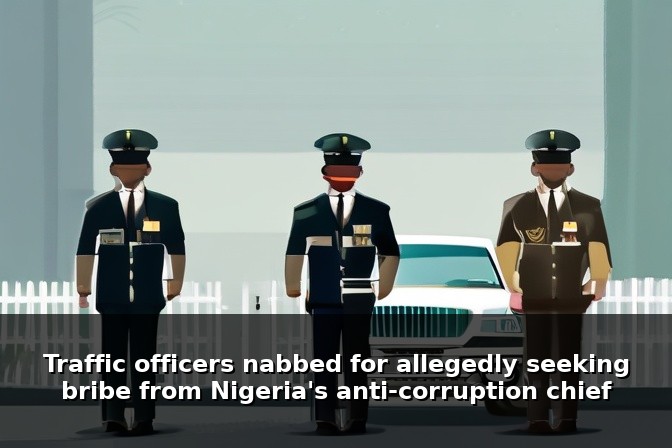
When law enforcement officers become the subject of bribery allegations, the incident reverberates beyond the immediate parties involved. Recent reports state that two traffic officers have been arrested on allegations tied to soliciting a bribe from Musa Aliyu, who is described as Nigeria’s anti-corruption boss. The case centers on a confrontation at a road checkpoint that turned into a controversial demand to drive to a cash machine. While these are still allegations, the episode raises important questions about corruption, oversight, and trust in public institutions.
According to authorities, the officers stopped Musa Aliyu at what has been described as a fake roadblock. The narrative suggests they attempted to press him into a bribe by directing him to move his vehicle to a nearby cash machine. The severity of the accusation lies not only in the alleged bribery itself but in the pretense of a legitimate checkpoint, which can be used to entrap even high-profile public figures. If these claims are accurate, they illustrate how corruption schemes can exploit the guise of official duty to extract personal gain.
Traffic policing is a critical but delicate arm of public safety. In many settings, roadblocks and stops are essential for enforcing traffic laws, reducing accidents, and ensuring compliance with regulations. However, when enforcement becomes entangled with extortion or illicit payments, it erodes public trust and undermines the very purpose of accountability programs. In Nigeria and similar contexts, recurring concerns about bribery at roadside checkpoints have spurred calls for transparency, independent oversight, and modernized enforcement practices to separate revenue collection from policing duties.
Reporting that a figure associated with anti-corruption efforts faced an alleged bribery attempt sends a potent message: no one is beyond scrutiny, and the integrity of the systems designed to fight corruption depends on the behavior of all players involved, from the highest offices to the frontline officers. Such cases can test the credibility of reform initiatives and underscore the necessity of robust checks and balances, clear disciplinary procedures, and timely accountability when misconduct is suspected. They also highlight the risk that crooked activity could target even those dedicated to rooting out corruption, emphasizing the need for constant vigilance and protections for whistleblowers and witnesses.
Public confidence hinges on motorists feeling safe and respected during every encounter with law enforcement. If you encounter a situation that resembles a coercive demand, follow recommended steps: remain calm, request official identification, avoid paying under duress, and document the interaction if possible (without compromising safety). Report the incident through official hotlines or channels designated for policing misconduct. Keeping records helps authorities investigate and reinforces accountability in the system.
Allegations of bribery involving traffic officers and a figure linked to anti-corruption efforts underscore a broader, ongoing challenge: building and maintaining trust in institutions. While arrests signal that authorities are actively pursuing misconduct, sustainable progress requires comprehensive reforms, continuous oversight, and a culture that prioritizes ethical conduct at every level. In a landscape where integrity is the currency of legitimacy, every related investigation strengthens the integrity of the system as a whole.