x




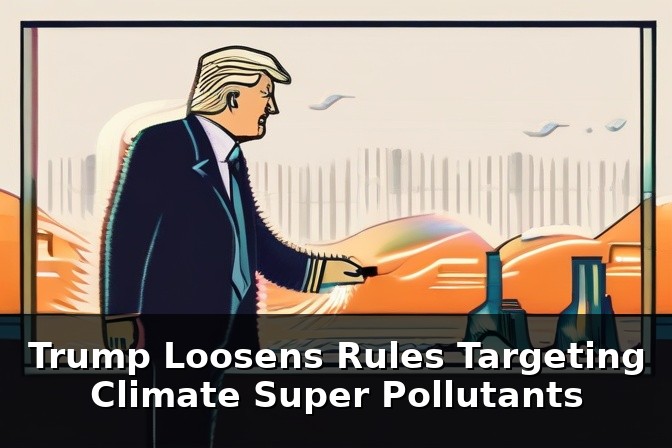
Hydrofluorocarbons (HFCs) have long sat at the center of climate policy debates. These gases are widely used in air-conditioning, refrigeration, and various industrial applications. While they help keep our buildings comfortable and our perishable goods safe, their heat-trapping potential is enormous—many thousands of times greater than carbon dioxide on a per-molecule basis. When a policy signals that the phaseout will be slowed, it sets off a ripple effect through manufacturers, installers, and consumers who depend on reliable cooling systems in already challenging climates.
HFCs are known as “super pollutants” because of their high global warming potential (GWP). The concern isn’t just about the gas released during a leak; it’s about the cumulative impact of millions of systems over decades. In hot regions and aging infrastructure, cooling is essential for health, productivity, and food security. That means any delay in replacing high-GWP refrigerants with lower-GWP alternatives can translate into noticeable climate emissions over time, even if the initial costs or logistical hurdles are easier to manage in the near term.
Delays to the phaseout typically come with transitional provisions, interim rules, or extended timelines for bans on the most potent HFCs. Proponents argue that a phased approach helps businesses adjust without sudden cost spikes, protects reliability of cooling systems, and safeguards jobs in a complex supply chain. Critics counter that even short delays reduce the momentum of climate action and push the burden of retrofit costs onto consumers later, while locking in higher emissions in the near term.
Different groups weigh the tradeoffs differently. Industry associations often emphasize the value of a predictable, staged timeline that aligns with manufacturing cycles and supply chain realities. Environmental advocates push for expedited action to accelerate the deployment of lower-GWP refrigerants and to reduce leakage and end-of-life impacts. Consumers and workers may have concerns about price changes, service availability, and the long-term resilience of cooling systems in heat waves.
Policy shifts around HFCs underscore a fundamental business reality: climate action and economic considerations must coexist. For Markethive readers, the practical takeaway is to stay ahead of the curve. Invest in skills and partnerships that enable quick adoption of lower-GWP refrigerants, explore retrofit opportunities for aging systems, and monitor regulatory developments to anticipate changes in licensing, safety standards, and incentives. By preparing now, you can turn potential policy pivots into competitive advantages—delivering reliable cooling, lower emissions, and healthier bottom lines.