
x
Black Bar Banner 1
x

NEW: About Me Look — turn on a full-width dark About Me from your profile Configuration (Profile Page Upgrade). The Academy, profile feeds and Media Feed now read like the News Feed. See Subscriptions »

New: AI Blog Autopilot — free for the next 30 days. Switch it on by November 15th »

NEW: Smart Mail is live — free for every member. Send broadcasts, build lists and run autoresponders. Open Smart Mail »

New training: The Campaign Map. Watch it now »

A+ A−
Ads by Markethive - View All
The Blog Feed
The Blog Feed
» Blog Feed
Write a New Blog Post
Search Blog Status
Most Viewed
Most Recent
Most Shared
Alphabetical
Markethive Blog (default)
My Blog Posts
Friends' Blogs
Blog Categories
All
Advertising
Blockchain & Cryptocurrency
Business Development
Diet & Weight Loss
Environmental
Health and Wellness
History and Culture
Home and Garden
Marketing
Mentoring & Training
Money & Finance
Other
Political
Prayer & Religion
Programming & Technical
Real Estate
Search Engine Optimization
Social Media
Spirituality
Sports & Recreation
Transport
Travel & Events
Website Design
Blogging Tools & Assets
My Blog Info
Members Subscribed to You
Blogs You Are Subscribed To
Website Widget
Wordpress Plugin
Subscribe for Greater Services
Subscribe to one of many subscriptions, each one includes the previous ones.. Unlock powerful tools, advance features, to build a powerful reach.

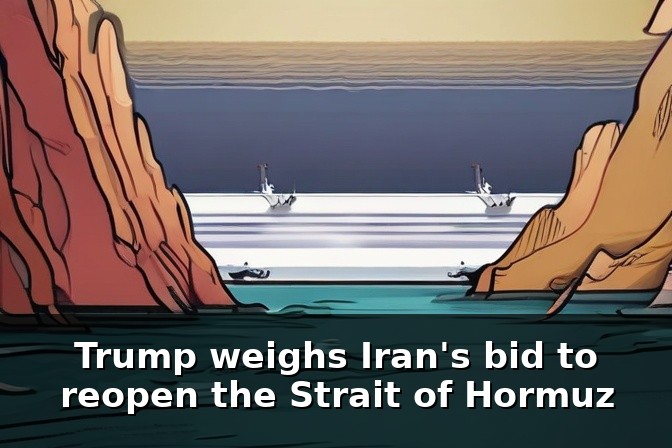
Trump weighs Iran's bid to reopen the Strait of Hormuz

Posted by CEO Thomas Prendergast on April 28, 2026 - 12:15pm


Trump weighs Iran's bid to reopen the Strait of Hormuz

Reopening the Strait of Hormuz: Why a Iranian Proposal Matters and What a Trump Review Could Mean

The Strait of Hormuz sits at the crossroads of global energy and geopolitical risk. Any move toward reopening or easing the passage through this narrow waterway can shift how international markets price risk, how naval powers posture themselves, and how businesses plan for the next 6–12 months. Recent information indicates that a proposal from Iran aimed at restoring steady transit has entered a new phase of discussion, with high-level attention from the United States.

What the Monday meeting signals

Word that the White House gathered Trump’s national security advisers to review the plan signals more than routine diplomacy. It suggests that moving from proposal to policy is on the table, and that the administration is weighing not just the feasibility of the plan, but its broader implications for regional stability, sanctions architecture, and U.S. strategic interests. Early-stage discussions like this often aim to map red lines, verification mechanisms, and the potential economic or political exchanges that could accompany an easing of restrictions.

Why the Strait matters beyond oil markets

The Hormuz channel controls a large portion of the world’s crude shipments. Even modest disruptions can ripple through fuel prices, shipping lanes, and insurance costs. A credible plan to reopen or safeguard passage would need to address:

  • Freedom of navigation guarantees for commercial vessels and non-military traffic
  • Deterrence and de-escalation protocols to prevent miscalculation
  • Transparency and verification to satisfy international partners, traders, and insurers
  • Concessions or confidence-building measures that reduce the incentive for unilateral disruption

For investors and entrepreneurs, the key takeaway is not just the mechanics of passage, but the signaling effect: if stakeholders believe transit can be safeguarded more consistently, energy price volatility may moderate and long-term planning becomes simpler.

Possible shapes of the Iranian proposal

While specifics remain uncertain, a viable proposal would likely intertwine maritime safety with political and economic components. Potential elements could include:

  • Establishment of safe corridors or designated transit routes with agreed-upon rules of engagement
  • Temporary sanctions relief or targeted exemptions tied to verifiable steps toward de-escalation
  • Environmental and maritime safety assurances to prevent incidents at sea
  • Independent verification mechanisms to monitor compliance

Importantly, the success of any proposal hinges on credible enforcement and the involvement of regional and global partners who have a stake in stable shipping lanes. Without robust verification, the plan risks becoming a political gesture rather than a durable framework.

Impact on markets and business strategy

From an entrepreneurial lens, the situation translates into practical considerations across several dimensions:

  • Energy exposure: Even the perception of easing tensions can ease short-term price spikes, benefiting energy-intensive industries.
  • Logistics planning: Maritime routes and insurance premiums will respond to perceived risk, influencing routing choices and inventories.
  • Supply chain resilience: Diversification and redundancy become more attractive as risk signals shift with diplomatic developments.
  • Geopolitical risk premiums: Traders may price in a wider range of outcomes, necessitating flexible hedging strategies.

Businesses that prepare for these shifts—across procurement, finance, and operations—are better positioned to ride out volatility and capture opportunities when stability returns.

What to watch next

Key indicators will include official statements outlining the scope of any plan, progress on verification arrangements, and responses from regional partners and global allies. Market watchers should monitor:

  • Public briefings from the White House or State Department on the plan’s terms
  • Any timelines attached to de-escalation steps or partial sanctions relief
  • Shifts in shipping insurance pricing and tanker rates

In the coming days and weeks, the trajectory of this proposal will reveal not only the tactical maneuvering around the Strait of Hormuz but also how2050s-era diplomacy intersects with today’s risk-managed business environment. For entrepreneurs, staying informed, maintaining flexible supply chains, and preparing scenario-based plans will be the smart play as diplomacy unfolds.