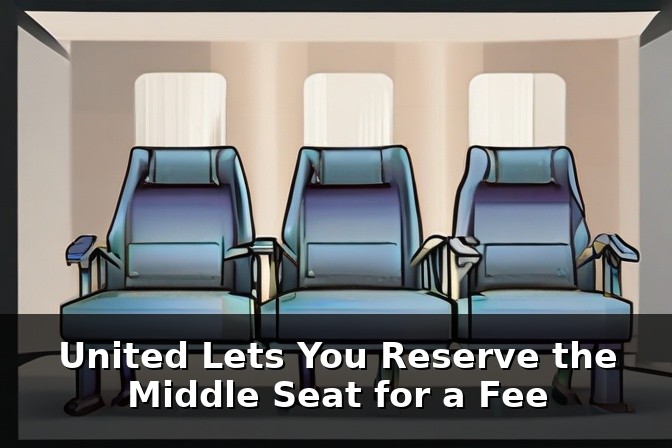
A Paid Middle Seat with a Shared Table: What United’s Next Move Could Mean for Travel
Air travel has long treated the middle seat as the least desirable spot on the aircraft, a reminder that space is a premium and comfort is a luxury. Now, United Airlines is exploring a bold twist: letting passengers “take over” the middle seat for a price, complete with a shared table. If this concept rolls out on select flights later this year, it could redefine how travelers think about seating, value, and the economics of a cramped cabin.
Why this concept is gaining traction
Airlines have spent the last decade layering on ancillary revenue streams—baggage fees, priority boarding, seat upgrades, and unbundled services. The middle seat, traditionally left open in some fare classes, represents an opportunity to monetize unused capacity without forcing passengers into back-of-the-bus experiences. A paid middle seat with a functional upgrade—a shared table—helps transform a nuisance into a feature. For United, the move could boost per-flight revenue while offering a tangible benefit to those who want more workspace or dining practicality during flight.
How the concept could work in practice
Here’s a plausible outline of how this might be implemented, based on current industry trends and the described concept:
- Placement and access: The middle seat remains the standard seat, but when purchased, it comes with enhanced functionality—a fold-down shared table and potential access to extended surface space that can be used for a laptop, paperwork, or a meal.
- Pricing structure: The option would be sold at a premium relative to the base fare, with price variation depending on route, time of day, demand, and aircraft type. Dynamic pricing could create a tiered experience: a basic middle-seat upgrade versus a more expansive “workspace” setup.
- Perks and limitations: The upgrade may include conveniences such as priority boarding, power access, or an improved meal service, while privacy and seat location remain unchanged. Cleaning protocols and safety standards would still apply as they do for all seating choices.
- Availability: The feature would roll out gradually on select flights and routes before a broader rollout, allowing United to test demand and operational impacts.
What this could mean for travelers
For some passengers, the paid middle seat with a shared table could be a compelling value proposition. Potential benefits include:
- Workspace on the go: A larger, shared surface can make it easier to work, study, or coordinate with travel companions without juggling devices on a cramped tray table.
- Meal and collaboration convenience: A communal workspace could simplify meals with colleagues flying together or enable easier collaboration for business travelers.
- Clear value differentiation: If the price is reasonable, passengers who crave more utility from a single seat might find the upgrade worthwhile.
On the flip side, travelers who prize privacy or who dislike sharing surfaces with strangers might opt to avoid the option. The concept also raises questions about social dynamics, like how seatmates would interact with a shared table and whether it might feel intrusive in some scenarios.
Economic and competitive implications
From an operator’s perspective, monetizing the middle seat with additional functionality is a logical extension of revenue management. It aligns with a broader move toward flexible, à la carte experiences rather than one-size-fits-all seating. For United, this could:
- Increase ancillary revenue: A pricier middle-seat product can contribute meaningfully to a carrier’s bottom line, especially on high-demand routes.
- Differentiate in a crowded market: While many airlines offer premium economy and paid upgrades, a targeted middle-seat option with a tangible work surface could set United apart on select itineraries.
- Inform future cabin design: If popular, the idea could influence interior configurations—potentially more flexible seating arrangements or modular tables in certain rows.
Tips for travelers who might consider trying it
- Compare the cost of the middle-seat option against traditional upgrades or other premium services on your route.
- If you need a reliable workspace or a spacious surface for meals, the extra surface area could justify the spend—even on shorter hops.
- If you value personal space, you may prefer to stick with standard seating or explore other upgrade paths.
- Understand what the upgrade includes beyond the table—power, priority boarding, checked bag allowances, or meal options can influence the overall value.
Conclusion
The idea of paying to unlock a functional middle seat with a shared table is a bold reinterpretation of how travellers buy comfort. It blends the desire for productivity with the airline’s need to optimize capacity and revenue. If United’s experiment proves popular, it could pave the way for more flexible, purpose-driven seating options across the industry. For now, travelers have a fresh lens through which to assess value, space, and the evolving economics of modern air travel.