
x
Black Bar Banner 1
x

NEW: About Me Look — turn on a full-width dark About Me from your profile Configuration (Profile Page Upgrade). The Academy, profile feeds and Media Feed now read like the News Feed. See Subscriptions »

New: AI Blog Autopilot — free for the next 30 days. Switch it on by November 15th »

NEW: Smart Mail is live — free for every member. Send broadcasts, build lists and run autoresponders. Open Smart Mail »

New training: The Campaign Map. Watch it now »

A+ A−
Ads by Markethive - View All
The Blog Feed
The Blog Feed
» Blog Feed
Write a New Blog Post
Search Blog Status
Most Viewed
Most Recent
Most Shared
Alphabetical
Markethive Blog (default)
My Blog Posts
Friends' Blogs
Blog Categories
All
Advertising
Blockchain & Cryptocurrency
Business Development
Diet & Weight Loss
Environmental
Health and Wellness
History and Culture
Home and Garden
Marketing
Mentoring & Training
Money & Finance
Other
Political
Prayer & Religion
Programming & Technical
Real Estate
Search Engine Optimization
Social Media
Spirituality
Sports & Recreation
Transport
Travel & Events
Website Design
Blogging Tools & Assets
My Blog Info
Members Subscribed to You
Blogs You Are Subscribed To
Website Widget
Wordpress Plugin
Subscribe for Greater Services
Subscribe to one of many subscriptions, each one includes the previous ones.. Unlock powerful tools, advance features, to build a powerful reach.

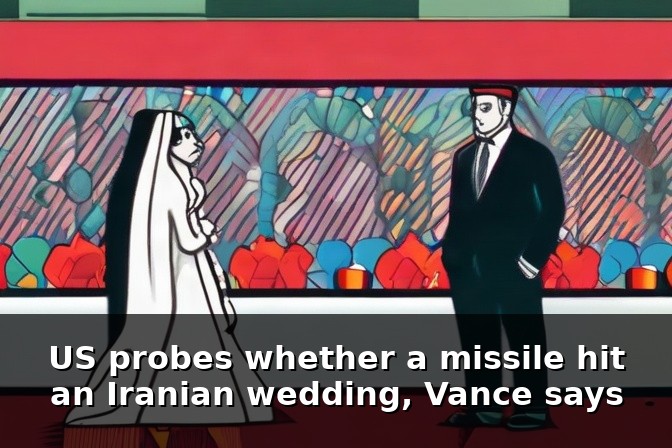
US probes whether a missile hit an Iranian wedding, Vance says

Posted by CEO Thomas Prendergast on September 04, 2026 - 6:15pm


US probes whether a missile hit an Iranian wedding, Vance says

Unpacking the Iran wedding incident: US review underway

A wedding ceremony in Iran was disrupted when shrapnel from a missile struck the gathering, resulting in four deaths, the Iranian Red Crescent Society reported on Tuesday. In the aftermath, U.S. officials, including a spokesperson named Vance, said they are reviewing intelligence to determine whether the blast was caused by a missile and who might be responsible. The developing, high-stakes questions underscore how civilian tragedy can intersect with regional security dynamics in the Middle East.

What we know so far

The IRCS’s account centers on a civilian ceremony that turned deadly when shrapnel from what appeared to be a missile hit the venue. Details surrounding the weapon, its origin, and the exact circumstances remain limited, leaving room for speculation. U.S. remarks indicate that authorities are analyzing intelligence to verify the weapon’s nature and source, while avoiding premature conclusions. In tense regional environments, such statements are common as agencies weigh competing hypotheses and seek verifiable evidence.

Why the U.S. is involved

U.S. officials have a vested interest in events that could reshape regional stability, affect civilians, or trigger broader conflict. When a foreign incident occurs in a volatile area, Washington typically conducts a careful review of available intelligence, corroborates reports from allies, and weighs the potential risks of escalation. The mention of an ongoing investigation signals caution and a desire to establish facts before assigning blame or drawing conclusions that could influence policy or military posture.

Possible explanations investigators are weighing

  • Deliberate strike by a hostile actor targeting a civilian event, which would carry significant geopolitical implications and could prompt a swift international response.
  • A misfire or malfunction from a weapon system within the region, possibly stemming from nearby conflict zones or cross-border fire.
  • Misidentification or inaccurate reporting leading to confusion about the origin or type of munition used.
  • Civilian casualties resulting from collateral damage tied to broader security operations or regional proxy conflicts.

Broader implications for Iran and the region

Incidents that injure or kill civilians can ripple through domestic politics, foreign relations, and regional diplomacy. If attribution points to a deliberate attack, Iran and its allies might respond with political or security measures, potentially affecting ongoing negotiations or regional alignments. Conversely, if the incident is later characterized as a misfire or collateral damage, it could prompt de-escalation efforts and calls for restraint. Either path highlights how civilian spaces—like weddings—become focal points for broader strategic tensions in the Middle East.

What to watch for next

  • Official briefings from U.S. intelligence and Iranian authorities outlining preliminary findings.
  • Any evidence or intelligence about the missile’s origin, type, and flight path.
  • Regional reactions from allies and partners, including statements on accountability and safety of civilians.
  • Subsequent steps related to diplomacy, sanctions, or security incidents in neighboring corridors (e.g., across borders or within proxy theaters).

Implications for readers and businesses

  • Geopolitical risk: Events like this can influence regional stability, which in turn affects markets, energy prices, and risk assessments for global businesses.
  • Supply chain vigilance: Companies with regional exposure should monitor security developments and diversify sources where feasible.
  • Policy awareness: Civilian-targeted incidents often test diplomatic channels and can shift how governments approach engagement, negotiations, or aid.

Takeaways

As investigators piece together what happened, civilians remain the unfortunate heart of the story. The situation illustrates the thin line between military operations and civilian safety in conflict zones, and the careful, evidence-based approach authorities must take before drawing conclusions. For readers who follow global affairs or operate across borders, this episode reinforces the importance of staying informed through credible updates and considering how geopolitical volatility can influence markets, risk, and long-term strategic planning.

Thomas Prendergast (clone)
By his direction