x




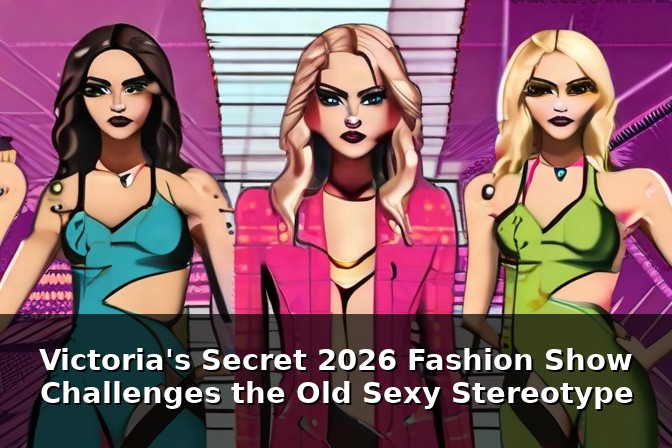
The Victoria’s Secret Fashion Show returned with a thunderous splash in 2026, spotlighting the tried-and-true formula that built the brand’s global identity: high-gloss lingerie, larger-than-life wings, and a parade of supermodels who have become household names. The lineup included familiar faces like Kylie Jenner and both Hadids, reminding fans that the show’s signature energy still carries cultural weight. Yet beneath the glitter and glimmer, the conversation surrounding what “sexy” means in this era is broader and more nuanced than ever.
Victoria’s Secret has long woven wings into its runway mythology—dramatic, ethereal silhouettes designed to elevate the fantasy of the collection. In 2026, the wings remained a visual shorthand for empowerment, luxury, and aspirational beauty. The spectacle attracts a mass audience, creates iconic moments on social media, and reinforces the brand’s promise of confidence through intimate apparel. However, wings also raise questions about how far the show has evolved from its roots and whether the imagery still speaks to a diverse, modern consumer base.
At its core, the show leans into a classic stereotype of sexy: ultra-slim figures, highly stylized poses, and a predominantly white, glam-infused aesthetic. In 2026, the presence of high-profile stars from diverse backgrounds signals a shift in audience expectations and media scrutiny. The decision to feature familiar faces such as Kylie Jenner and the Hadid sisters can be interpreted in two ways: a savvy engagement with mainstream pop culture that broadens reach, or a continued reliance on a narrow beauty standard that can feel out of step with increasingly inclusive conversations about body positivity and representation.
Brand strategists are balancing two forces: the luxury fantasy that the show has always offered, and the demand from consumers for more authenticity, representation, and varied body types. The tension isn’t just about who walks the runway; it’s about what the imagery communicates to aspiring customers and to the broader culture about which bodies are deemed desirable, marketable, and “Sexy.”
For marketers and entrepreneurial audiences, Victoria’s Secret’s runway choices serve as a case study in brand evolution, audience segmentation, and the power of storytelling. Key takeaways include:
So, what could a more inclusive, forward-looking version of the show look like? Here are a few possibilities that could resonate with today’s audiences while preserving the show’s signature magic:
The 2026 Victoria’s Secret Fashion Show underscores a brand at a crossroads. It preserves the iconic elements that fans crave—spectacle, wings, and star power—while facing the imperative to evolve with cultural expectations about beauty and representation. For marketers, influencers, and entrepreneurs watching the fashion and media landscape, the key takeaway is clear: sexy is no longer a one-size-fits-all concept. It’s a evolving narrative that thrives on authenticity, variety, and the ability to connect with a wider, more diverse audience.
Thomas Prendergast (clone)
By his direction