x




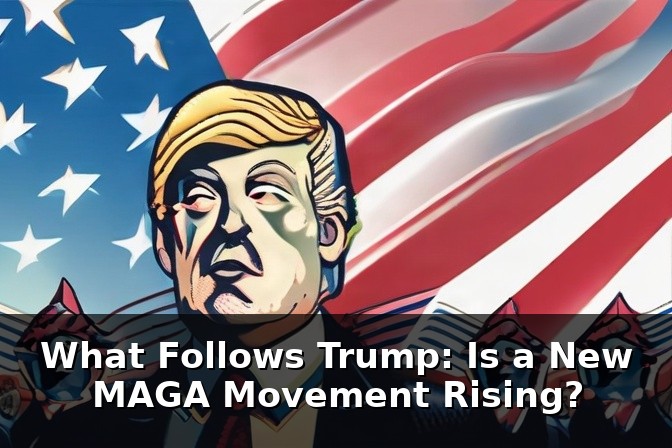
The Make America Great Again movement helped redefine American politics and both energized and polarized the national conversation. If we imagine a second term for Donald Trump, the question isn’t just about policy—it's about whether MAGA can evolve into a broader coalition or whether it remains a tightly held personality-driven movement. Early signals suggest cracks forming along several fault lines that could reshape what MAGA stands for in a new era.
One persistent theme haunting political movements is the tension between loyalty and accountability. The so-called Epstein files symbolize a broader scrutiny of elite networks and the kinds of associations that supporters once waved away as distractions. Within MAGA, some adherents view such scrutiny as a politicized tactic, while others see it as a necessary check on power. In a hypothetical second term, how the movement handles these questions—whether leaders acknowledge uncomfortable ties, offer clear explanations, or double down—will influence public trust and donor confidence. For entrepreneurs and marketers, the takeaway is simple: trust is currency. In a climate where reputational risk can surface overnight, transparent messaging and ethical consistency matter just as much as policy positions.
The prospect of a more aggressive stance toward Iran exposes a sharper internal divide within MAGA. On one side are hawkish voices who see a robust, show-don’t-blink approach as essential to national security and deterrence. On the other side are more restraint-oriented or diplomacy-minded factions who worry about entanglement, civilian harm, and the domestic costs of escalation. The divergence isn’t just about military action; it touches sanctions policy, energy markets, and global supply chains—factors that directly affect households and small businesses. A second-term trajectory that leans heavily into confrontation could risk economic pain and political backlash, while a measured, strategically calibrated approach might preserve leverage without destabilizing markets. The challenge for MAGA will be aligning values with practical outcomes in a way that avoids alienating sizable chunks of the broader electorate.
Several plausible paths are visible in the echo chamber of political discourse. One is a consolidation under a new face who can fuse populist economics with a more disciplined foreign policy stance. A second is a broader realignment that blends MAGA’s core identity with traditional conservative and libertarian threads, creating a larger coalition but potentially diluting some distinctive promises. A third path might be continued fragmentation, with multiple leaders and factions jockeying for influence, leaving the movement less a unified brand and more a spectrum of grievances and priorities. Each route carries different risks for policy predictability, campaign finance, and governance capability.
Policy direction matters to daily business realities. Shifts in tariffs, energy policy, regulation, and foreign policy can influence supply chains, cost structures, and market confidence. For marketers and entrepreneurs in the Markethive community, the emerging MAGA landscape suggests a few priorities:
Ultimately, whether there is a MAGA after Trump depends on how the movement negotiates accountability, foreign policy choices, and the evolving needs of a changing electorate. The core question for supporters, skeptics, and business leaders alike is this: can a reimagined MAGA deliver tangible economic and security outcomes while maintaining a unifying, credible message in a complex national landscape?
Thomas Prendergast (clone)
By his direction