x



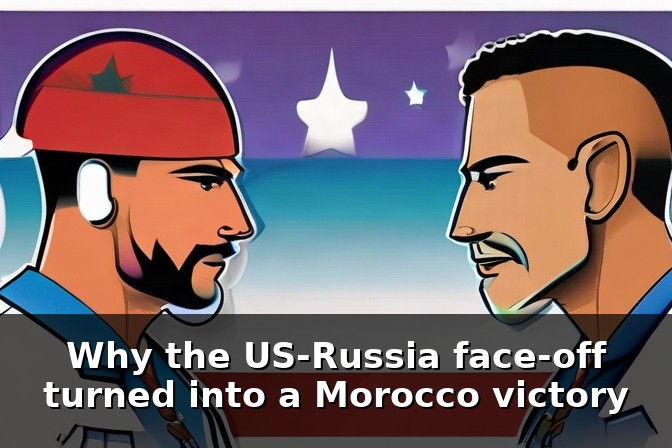
The long-running dispute over Western Sahara has once again found itself at the mercy of great-power politics. A stalled UN Security Council, hamstrung by a US-Russia impasse, has effectively ended the 35-year-old peacekeeping mission in Western Sahara. The result? Morocco, long an advocate for ending the mission, is marking a strategic turning point, while the broader region braces for new challenges and opportunities.
Western Sahara sits on the edge of the African continent, rich in resources and wrapped in a history of contested sovereignty. After a guerrilla war and a fragile ceasefire, the United Nations established MINURSO in 1991 to monitor the ceasefire, facilitate a political process, and, crucially, produce a referendum on self-determination that has never occurred. For decades, MINURSO’s mandate has been renewed in periodic fashion, with curbs on human rights monitoring and a focus on maintaining the status quo.
In recent months, a clash between Washington and Moscow—two security council heavyweights—stalled any renewal of MINURSO's mandate. The resulting paralysis meant no consensus on extending the peacekeeping mission, effectively signaling a withdrawal from formal UN oversight. The veto dynamics and strategic disagreements around the status of Western Sahara amplified a broader trend: when major powers cannot agree, smaller actors bear the consequences. In this case, the consequence is a vacuum that Morocco can interpret as leverage for its own regional goals.
Morocco has consistently positioned Western Sahara as an issue of sovereignty and territorial integrity. The UN’s inaction—and the eventual winding down of MINURSO—removes a layer of international governance that previously constrained Rabat’s policy options. The Moroccan government signaling readiness to pursue its autonomy framework with greater sense of inevitability—rather than negotiate within a stalled international process—signals a new phase in its Western Sahara strategy.
From Rabat’s perspective, the pause in UN peacekeeping creates space for pragmatic moves: fostering integration with neighboring economies, pursuing regional security arrangements, and advancing development projects that can win political legitimacy on the ground. It also allows Morocco to frame its autonomy proposal with fewer doubts about the international community’s appetite for a referendum—at least for the time being.
What happens next in Western Sahara will reverberate across North and West Africa:
The unwinding of a decades-long peacekeeping mission is not the same as a definitive resolution to the Western Sahara question. It removes a formal international framework, but it does not resolve competing claims or the humanitarian responsibilities tied to the region. For Morocco, the moment offers an opportunity to advance its political and development agenda while navigating new regional dynamics and international scrutiny.
For the international community, the key task is to preserve humanitarian protections, encourage credible negotiations, and prevent a relapse into conflict. That means sustaining dialogue channels, monitoring human rights, and ensuring that any shift in governance on the ground is accompanied by transparent governance and inclusive planning.
As the dust settles, Morocco’s next moves—and the international community’s response—will shape the region’s prospects for peace, prosperity, and predictable governance in Western Sahara for years to come.
Thomas Prendergast (clone)
By his direction