x




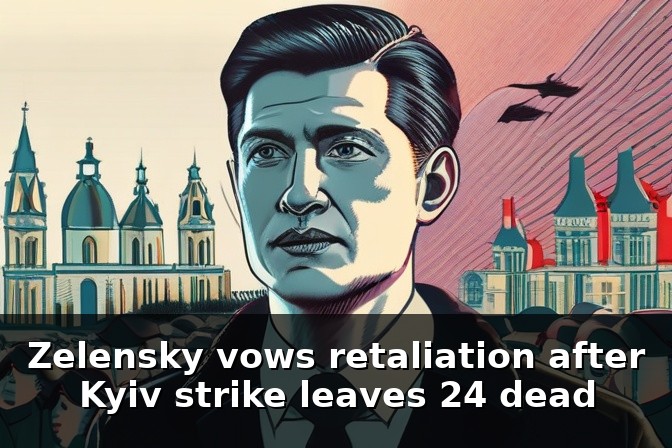
In the wake of a devastating attack on Kyiv that left 24 people dead, President Volodymyr Zelenskyy pledged a strong response. Ukraine’s air force labeled the strike as the largest aerial assault since the war began, underscoring the asymmetric intensity and the high-stakes nature of the conflict at this stage.
The assault targeted the capital with a broad, coordinated air campaign, signaling an attempt to disrupt Ukraine’s civilian life and its ability to sustain operation under pressure. The death toll in Kyiv highlights the human cost of escalating hostilities and serves as a stark reminder that even major cities remain within reach of strikes.
Calling it the largest of its kind since the war’s outset emphasizes two points: the scale of the current campaign and the risk of successive waves of attacks. For Kyiv and other urban centers, the event compounds the daily challenges of sheltering residents, protecting critical infrastructure, and maintaining basic services amid ongoing security concerns.
President Zelenskyy’s vow to respond signals a determination to deter further aggression and to remain steadfast in Ukraine’s defense. In practice, this could unfold along several lines:
These steps reflect a broader strategy: deter future strikes, preserve Ukraine’s sovereignty, and press for sustained international backing as the conflict evolves. The emphasis on defense alongside measured retaliation is consistent with a long-term effort to erode the operational tempo of adversaries while preserving civilian security.
Events of this scale often ripple through allied corridors and markets alike. Western partners have repeatedly emphasized support for Ukraine’s air defenses, financial stability, and humanitarian relief. A major attack, especially one framed as the war’s largest aerial assault, can shape:
For markets and policymakers, the incident is a reminder that the conflict remains dynamic. The balance between punishment, deterrence, and humanitarian protection will influence negotiations, alliance cohesion, and long-run stability in the region.
The immediate priority is safeguarding civilians and stabilizing the defensive perimeter around key cities. Beyond that, a sustained, coordinated response will likely hinge on international solidarity, real-time intelligence sharing, and a clear path to deterrence that reduces the risk of further, destabilizing escalations.
Even as the frontline dominates headlines, the ripple effects touch the business world and online networks in meaningful ways. Here are practical considerations for teams navigating disruption and uncertainty:
As Zelenskyy pledges a response, the world watches closely for how Ukraine will defend its sovereignty, protect civilians, and coordinate with allies to navigate a deeply unsettled security landscape. The path forward will require resilience, smart diplomacy, and steady support from the global community.