x




Food. Great-tasting, mouth-watering, food. From breakfast and lunch to dinner and snacks — food provides you with the energy you need to do all the things you love. But that’s not all — many foods contain essential vitamins and minerals to nourish your body and keep you healthy.
However, not all foods are created equal. There are certain foods — superfoods — that are packed with beneficial nutrients, especially for women.
To help you choose which of these superfoods to grab the next time you’re at the grocery store, we’ve rounded up the top 10 superfoods for women that will support your weight loss goals and give you a boost of nutrition. Plus, we’ll explain the health benefits of each superfood.
Before we dive into the top 10 superfoods, you might be wondering, what exactly constitutes a superfood? Merriam-Webster defines superfood as “a food (such as salmon, broccoli or blueberries) that is rich in compounds (such as antioxidants, fiber, or fatty acids) considered beneficial to a person’s health.”
While there are many different superfoods, there are particular ones that may be even more beneficial for women.

Photo by Louis Hansel @shotsoflouis on Unsplash
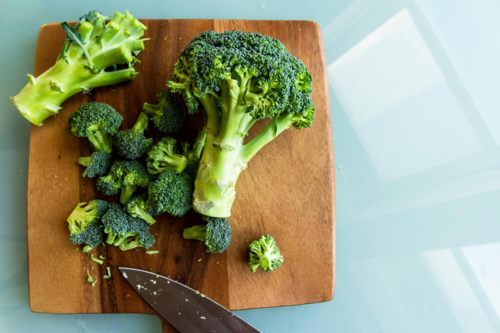
Want to bolster your immune system (who doesn’t right about now)? You might be surprised to learn that one cup of broccoli actually has more vitamin C than an orange Rodriquez notes, “Vitamin C isn’t just good for immune function, but it’s also a powerful antioxidant that can protect against free radicals in the body, which can harm your cells.” Over time, the buildup of free radicals may lead to various health complications such as heart disease and arthritis, according to WebMD, so consuming foods rich in antioxidants is beneficial
How much vitamin C do you need a day? The National Institutes of Health (NIH) reports the average daily recommended amount is 75 milligrams for women.4 However, if you’re pregnant or breastfeeding, the recommended amount bumps up to 85 milligrams and 120 milligrams, respectively. To put that into perspective, one cup of broccoli contains 78.5 milligrams of Vitamin C — enough to fulfill your daily recommendation
Eat it: Broccoli is a versatile veggie. You can steam it, bake it or snack on it raw. Rodriquez suggests adding broccoli to a breakfast egg scramble or mixing it into a vegetable sauté for a tasty and satisfying side dish.

Photo by Harshal S. Hirve on Unsplash
“If you find yourself inside more often these days, you’ll want to ensure you’re getting enough vitamin D,” Rodriquez advises. Vitamin D is found naturally in very few foods, but one of them is mushrooms. Your body also makes vitamin D when it’s exposed to sunlight.
Vitamin D is best known for aiding with calcium absorption and helping build strong bones. A deficiency might lead to weak bones and may contribute to osteoporosis by reducing one’s calcium absorption, according to the NIH. This vitamin may also help reduce inflammation in your body and also support immune function.
How much Vitamin D do you need a day? Adult women between the ages of 19-70 should aim to consume 600 International Units (IU) daily. A half-cup of portabella mushrooms contain 4 IU per serving.
Eat it: This is another vegetable that goes great in scrambles and vegetable sautés. Portobello mushrooms can also be used as a meat substitution on burgers and sandwiches.

Photo by wenping wang on Unsplash
News flash: Eggs are healthy! While eggs might have gotten a bad rap in the past due to concerns around their dietary cholesterol content, research shows that they do not raise blood cholesterol levels (LDL cholesterol — the “bad” kind) in most people. In fact, eggs — specifically the yolks — are an excellent source of protein and are considered a complete protein
Protein is beneficial for numerous reasons, one of them being it may aid in weight loss by contributing to satiety. One study found that eating a high protein breakfast led to less snacking in the evening as well as increased fullness during the day. The same study found that a high protein breakfast also reduced ghrelin levels — ghrelin is a hormone associated with hunger.
“While you still want to eat eggs in moderation, they’re a great food for weight loss because they’re relatively low in calories and packed with beneficial nutrients,” Rodriquez explains. “Eggs also contain a bit of iron, so if you’re a vegetarian, they’re an excellent meat-free source.”
How much protein do you need a day? The Recommended Daily Allowance is .8 grams of protein per kilogram of body weight or about .36 grams per pound. The average sedentary woman needs about 46 grams of protein a day depending on age, activity level and muscle mass.
Eat it: Scramble a couple of eggs with non-starchy vegetables to start your day, or fry an egg and put it on top of your next meal (think a salad, sandwich or bowl).

Photo by William Felker on Unsplash
No matter which kind of berries you like: strawberries, blueberries, raspberries, blackberries or cranberries — they all superfoods for women. A large study from Harvard School of Public Health and the University of East Anglia found that the intake of a specific flavonoid (a powerful antioxidant) found in berries — specifically blueberries and strawberries — may reduce heart attacks in middle-aged women by 32%.
What’s more, berries are rich in nutrients and antioxidants that may protect against skin aging, although more research is needed.
Eat it: Berries make the perfect yogurt or cereal topper. They also go great on summer salads and are key to refreshing fruit smoothies.

Photo by Melissa Di Rocco on Unsplash
Rodriquez is a huge fan of oatmeal, “Oats are a great healthy non-perishable food to have on hand at all times. They’re great for weight loss and heart health because of their high fiber content.”
Oats contain both soluble and insoluble fiber. Soluble fiber slows digestion, which will help keep you feeling full for longer. This type of fiber is also beneficial for lowering your cholesterol because it attaches to cholesterol particles and removes them from your body. Eating oatmeal regularly may even help reduce your risk of heart disease. Since heart disease is the leading cause of death among women, it’s extremely important to do what you can to boost your heart health
How much fiber do you need a day? Women should aim for at least 25 grams of fiber per day.
Eat it: Spruce up your morning bowl of oatmeal: Add fresh fruit (like berries, apples or bananas) and sprinkle cinnamon on top for a slightly sweet taste. Rodriquez suggests giving your oatmeal a protein boost with a teaspoon of your favorite nut butter.

Photo by Amanda Frank on Unsplash
From kale to spinach and arugula to romaine lettuce: There are lots of leafy green options out there. Spinach in particular is packed with iron — a mineral that many women don’t get enough of. When you don’t have enough iron in the body, you may develop anemia — a condition where your body lacks healthy red blood cells. Since red blood cells carry oxygen to all parts of your body, being anemic can make you feel tired and weak. Having heavy or longer than normal periods as well as being pregnant may also increase your risk of iron deficiency
The good news: Eating iron-rich foods can help. Spinach is one of those iron-packed foods with 3 milligrams per ½ cup. A few other health highlights of spinach: It’s low in calories and packed with other beneficial nutrients such as potassium and magnesium, both of which are important for healthy bones.
How much iron do you need a day? Women who are 19-50 years old need at least 18 mg of iron a day. Pregnant women in this age range need 27 milligrams. Women 51 and above need 8 milligrams daily.
Eat it: Sauté spinach and mix it into your next meal — whether it’s pasta or eggs, spinach adds a savory flavor to any dish. You can also make it the base of your next salad and layer other fresh vegetables on top.

Photo by Ioan F on Unsplash
These juicy vegetables are packed with lycopene, an antioxidant that gives tomatoes their bright red color. The lycopene in tomatoes may be especially beneficial for women because of it’s potential to reduce the risk of breast cancer, research has found. But that’s not all — lycopene may also help reduce your LDL (low-density lipoprotein) cholesterol and overall blood pressure, according to WebMD
“Tomatoes are rich in nutrients, antioxidants and flavor” Rodriquez exclaims. “Plus, they’re a great addition to almost any meal!”
Eat it: Put slices of tomato on your next sandwich, include chopped tomato in a salad or sauté them to top your next healthy slice of pizza.

Photo by Tijana Drndarski on Unsplash
Beans, beans, they’re good for your … digestion. While the well-known jingle touts that beans are good for your heart (and they are!), beans are also packed with protein and fiber, making them just as beneficial for gut health and weight loss. Beans are another excellent protein source if you’re a vegetarian.
A half-cup of black beans boasts almost 5 grams of dietary fiber and 7 grams of protein There are lots of different varieties of beans to choose from: pinto beans, red beans, lima beans, garbanzo and soybeans to name a few.
“Beans are a great plant-based protein and will help keep you feeling full, which is especially important if you’re trying to lose weight,” Rodriquez notes.
Eat it: Mix beans into a hearty cauliflower rice bowl with vegetables and spices of your choice or add baked garbanzo beans to your next salad for a crunchy topping.

Photo by LOVE_LIFE on iStock
Another superfood that can do wonders for your gut! An unsweetened nonfat plain Greek yogurt is an excellent choice to add to your diet: It’s packed with protein, probiotics and calcium.
Calcium is an essential mineral that helps to build and maintain strong bones Rodriquez notes, “It’s particularly important for women to get enough calcium after menopause, as bone loss increases and exceeds bone formation.” This rapid bone loss can lead to osteoporosis However, eating enough calcium-rich foods can help you reach the recommended daily intake.
How much calcium do you need a day? It’s recommended that women ages 19-50 get 1,000 milligrams a day and that women ages 51 and older get 1,200 milligrams daily. One cup of plain nonfat Greek yogurt contains approximately 270 milligrams of calcium.
Eat it: Top Greek yogurt with fresh berries for a refreshing and satisfying breakfast. Try swapping sour cream for Greek yogurt for a healthier alternative — you might not even notice the difference!

Photo by Osha Key on Unsplash
This earthy-flavored spice is native to Southeast Asia and is one of the main ingredients found in curry powder. Turmeric contains a compound called curcumin that’s linked to a variety of health benefits. Curcumin may help reduce inflammation and help to stabilize blood sugar levels, according to WebMD.27 For these reasons, people with Type 2 diabetes or prediabetes may benefit from including turmeric in their diet.
Pro tip: The curcumin in turmeric is better absorbed when paired with black pepper. In fact, pairing the two together may enhance absorption by up to 2000%, research indicates. Researchers believe pepper may make it easier for the compound to pass through your intestinal wall and into your bloodstream, aiding in absorption.
Eat it: Turmeric can be added to a variety of foods: Blend it into your next smoothie for a kick, add it to soups or season lean meats.

While water technically isn’t a food, it’s a super beverage that Rodriquez urges everyone to sip a little more of. “Water is great for your entire body, it helps flush everything out. Staying properly hydrated can also help your sleep, skin and weight loss efforts.”
How much water do you need a day? Experts recommend drinking a minimum of eight, 8-ounce cups a day.