x





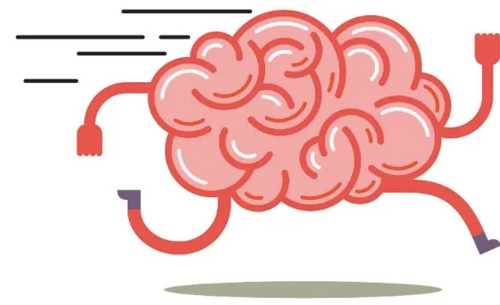
As much as 4.4% of the adult population in the United States has undiagnosed ADHD. As an adult, the symptoms of ADHD can be tough to cope with. Keeping up with the responsibilities of modern adult life is a challenge without managing symptoms of adult ADHD.
What is Adult ADHD?
Attention deficit hyperactivity disorder is an umbrella-like mental health condition that has many symptoms, including difficulty maintaining attention and engaging in impulsive or otherwise risky behaviors, among other symptoms.
Until relatively recently, ADHD was dismissed as a “hyperactivity disorder” that only affects children. Though hyperactivity as a symptom tends to decline in people with ADHD as they mature, the other symptoms persist for life.
But, what – exactly – does ADHD look like in adults?
The two significant symptoms associated with ADHD are inattention and impulsivity:
Adults with ADHD have difficulty focusing on the details of a task and become regularly distracted. Because they have difficulty regulating their attention, they tend to have problems with organization time management and tend to be forgetful.
People living with ADHD also exhibit impulsive behavior, which manifests as restlessness, being fidgety, talking nonstop, and being easily derailed.
These symptoms make it difficult for adults to effectively manage their responsibilities at work and engage in healthy relationships at home.
When a person’s needs are not met, they pass undiagnosed under the radar. As a result, they can develop other mood disorders such as anxiety and depression. In fact, it is common for adults with ADHD first to be misdiagnosed with depression and anxiety.
Because the experience of ADHD varies from person to person, it can be hard to identify among children and adults. Each person expresses symptoms differently and has a unique and subjective experience of ADHD. Some sufferers’ experiences with ADHD will be more severe. For others, ADHD can be mild.
ADHD is caused by an imbalance of neurotransmitters in the brain – specifically, dopamine and norepinephrine. Most psychiatrists recommend medication that helps correct the imbalance of these vital neurotransmitters.
Also, psychiatrists might prescribe stimulants that are designed to target the symptoms of ADHD.
Regular exercise is necessary for maintaining a healthy lifestyle. Exercise’s effect on mood and health are the topics of thousands of articles, videos, reports, and scientific studies.
However, a recent meta-analysis studying the link between ADHD and exercise found that moderate-intensity cardiovascular exercises – such as running, jogging, or swimming – caused a boost in the neurotransmitters dopamine and norepinephrine. This is not to say that going for a run will automatically relieve your ADHD symptoms, but exercise is shown to relieve some of the strain the ADHD puts on you. In addition to exercise, some experts have explored alternative approaches to manage ADHD symptoms. One such approach is the use of essential oils to help ADHD.
The study concluded that moderately intense cardiovascular exercise helps treat many of the symptoms of ADHD. As a result, regular cardiovascular exercise is a recommended treatment for ADHD in adults and children, alongside medication and therapy.
Apart from running, jogging, or swimming, there are many other activities you can do to get a great cardiovascular workout. Most high-energy sports, such as basketball, soccer, football, and tennis, require you to move around quickly in sprints or for sustained periods. Playing one of these sports regularly can help you moderate symptoms of ADHD.
If you have persistent trouble focusing on tasks, are frequently forgetful, or become easily distracted. Then you may have undiagnosed adult ADHD.
Luckily, you can take a self-administered ADHD diagnosis online to see if you should speak with a professional about getting medically diagnosed.