x




Drugs and the aging process affect older people’s physical and cognitive functions, while they also fall victim to ageism in every environment, including from health care providers, who consequently may not meet seniors’ true needs.
Ageism, sometimes spelled agism, is defined as prejudice, discrimination or stereotyping based on age. Even though almost everyone hopes to grow old, ageism is pervasive.
AGEISM DEFINED
To put that in context, one expert described ageism as “prejudice against our feared future self.”
A study of public Facebook groups that concentrated on older people revealed that the descriptions of the vast majority of these groups focused on negative age stereotypes, with 37 percent advocating banning older people from public spaces and activities, such as driving, and 27 percent infantilizing them. A whopping 74 percent were seen as vilifying older people.
Seniors are regarded as nearing the end of their lives with smaller chances of recovery than younger patients, and can be denied appropriate care. Ageism can combine with sexism in healthcare, as women are more likely to be seen as too fragile to undergo aggressive treatment.
And researchers say even though they use the most prescription drugs, older people are consistently excluded from clinical drug trials. This is in spite of the fact that they metabolize drugs differently.
Older peoples’ reactions to medications or symptoms of disease can be misread by health care providers as medical conditions, such as dementia or Parkinson’s, leading to wrong diagnoses and missed opportunities for treatments.
These very real issues and their impact on seniors can be seen through the experiences of patients and their doctors.
One doctor reported, for example, about caring for a patient who was an attorney in her 70s who had a brain tumor that grew slowly and interfered with her speech. She was “written off as having dementia until an MRI was performed to explore the reason for new left-eye blindness,” Dr. Val Jones wrote.
The tumor was removed, but the patient couldn’t get rehabilitation services because of her “history of dementia.”
As a second example, a report by the Alliance for Aging Research gave the example of a woman referred to as “Mrs. G.” At 82, Mrs. G lived alone in Arkansas, drove herself around and worked at a hospital three days a week. One day, she fell in her home and hit her head. Her family was told at the hospital that she may have Parkinson’s disease, and doctors prescribed medication to treat the disease.
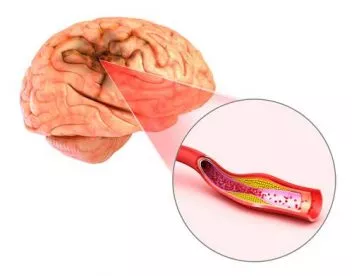
Some drugs are thought to cause strokes when they're improperly prescribed
Her condition briefly improved, but then deteriorated quickly. Forced to use a wheelchair, she would stiffen if she tried to stand and often felt as if she was falling. Medical providers at the hospital increased her medications. She was placed in a rehabilitation facility, became increasingly confused and often hallucinated.
Her daughter was not allowed to question doctors about her treatment, but a nurse recommended a geriatric specialist at a different hospital. The specialist took Mrs. G. under his care and had her moved from the rehabilitation hospital. He concluded she didn’t have Parkinson’s and had her taken off the medication. Testing showed the drugs had caused a series of strokes that irreversibly damaged her brain. She was not expected to fully recover.
Seniors need to be aware about ageism in health care and should advocate for their own quality care.
The Hottest In Health and Wellness Wearable Technology For Seniors
.png)