x





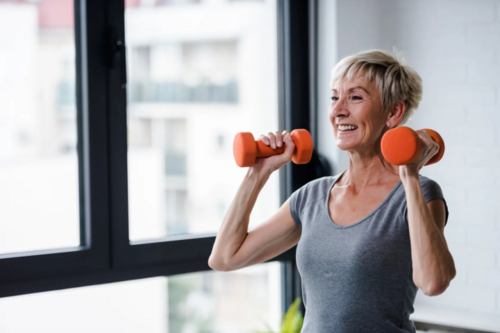
. The average person experiences muscle mass loss of 3 to 5 percent per decade after age 50. And that percentage increases for those with sarcopenia, which is a disease characterized by a gradual loss of bone and muscle tissue.
Anabolic resistance is another reason it gets more challenging to retain your muscle mass after 50. This occurs when your skeletal muscles gradually lose the ability to synthesize the protein that allows you to build and maintain muscle mass when you exercise. However, there are ways to boost your muscle mass as you age.
Weight Training
Resistance exercise like weight training is one of the best ways to reverse the loss of muscle mass as you age. Both men and women can increase the amount of muscle on their body frame by participating in strength training part 2 to 3 times per week. And, if you don’t like working out with weights, try resistance bands. Preferably opt for a smart resistance band training system that tracks your workout metrics in real time and helps customize your workouts based on your goals.
Endurance Exercise
Endurance exercises work slow-twitch muscle fibers through numerous repetitions. Your slow-twitch fibers can stay contracted for long periods. Continuous endurance training helps them become more efficient and stronger.
Joint Exercises
Exercises like squats, hip hinges, lunges, and pushups work larger groups of muscles while engaging your joints, and keeping your joints flexible and healthy leads to better support for your bones and muscles.
Diet
Eat a diet filled with whole foods and lean proteins, including poultry, fish, beans and legumes, brown rice, eggs, nuts, and low-fat dairy. Whole grains, like quinoa, contain about 8 grams of protein per cup and also offer fiber and a steady source of carbs.
The Recommended Dietary Allowance (RDA) for protein is only 0.8 grams of protein per kilogram of body weight. However, studies show that adults over 50 require at least twice that amount to maintain and build muscle. The International Society of Sports Nutrition (ISSN) recommends those who practice regular resistance training eat between two and three grams of protein per kilo of body weight.
Take steps today to build muscle through diet and exercise and help prevent age-related muscle loss and lead to a healthy, active life.