
x
Black Bar Banner 1
x

Alert!  New Secured Wallets are installed! new Blog system with AI  power and auto blog curation coming soon  Alert! 

Ads by Markethive - View All
Blogs
The Blog Feed
Write a New Blog Post
Search Blog Status
Most Viewed
Most Recent
Most Shared
Alphabetical
Blog Main Menu
Markethive Blog (default)
All Blogs
My Blog Posts
Friends' Blogs
Blog Categories
All
Advertising
Blockchain & Cryptocurrency
Business Development
Diet & Weight Loss
Environmental
Health and Wellness
History and Culture
Home and Garden
Marketing
Mentoring & Training
Money & Finance
Other
Political
Prayer & Religion
Programming & Technical
Real Estate
Search Engine Optimization
Social Media
Spirituality
Sports & Recreation
Transport
Travel & Events
Website Design
Blogging Tools & Assets
My Blog Info
Members Subscribed to You
Blogs You Are Subscribed To
Website Widget
Wordpress Plugin
Subscribe for Greater Services
Subscribe to one of many subscriptions, each one includes the previous ones.. Unlock powerful tools, advance features, to build a powerful reach.

Beer and Food Pairing Guide

Posted by Bobby Brown on March 03, 2022 - 4:53pm


Beer and Food Pairing Guide

With so many different types of beer and even seasonal styles to take into account, it can be difficult to come up with good pairings for every beer on your restaurant or bar's beer list. Creating an excellent beer and food pairing menu can result in a siginifcant boost to your profits. Keep reading to learn how to describe the taste of beer, some guidelines for beer and food pairings, and what beers go with what foods.


Definition of Tastes in Beer

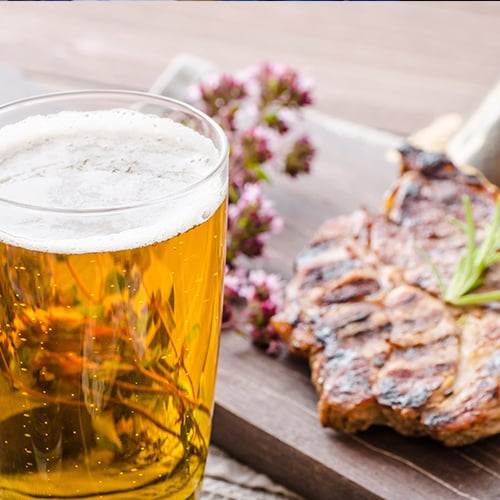
Beer paired with steak

When describing the taste of beer, there are a few buzzwords that you'll come across again and again. Here are some general definitions to help you understand how the flavors in beer are typically described:
  • Hops: Many times people use "hoppiness" to describe how bitter a beer tastes, but not all hoppy beers are bitter. The taste of a hoppy beer depends on when the hops are added in the brewing process. The earlier the hops are added, the more bitter the beer. Hops themselves have a versatile flavor and aroma that can enhance flowery and fruity flavors in the beer.
  • Bitter: Bitterness is a distinct flavor profile found in many types of beer, although the amount of bitterness varies between the styles of beer. Many breweries rate how bitter a beer is with an IBU number. IBU stands for International Bitterness Units, and the higher the IBU, the stronger the bitterness.
  • Malt: Malt comes from the barley grain, and it is usually roasted before it is added to the brew. Roasting barley gives the beer a nutty flavor and a toasty aroma. Plus, during the roasting process, the sugars in the barley caramelize, bringing out a slightly sweet, caramel taste.
  • Dark: While it may seem more like a description of the color, dark can also be used to describe how a beer tastes. Dark beers are made with malt grain that is roasted until it reaches a dark color. Dark beers are typically roasted longer than malty beers, giving them a richer and heavier taste. The malt's nutty, caramel flavor turns to darker notes of chocolate and coffee with a longer roast time.
  • Light: Light beer is usually known for having a clean and crisp taste that is refreshing. Typically, light beers don't have a strong flavor and aren't very bitter or hoppy. Additionally, most light beers also have a low alcohol content.


4 Guidelines for Food and Beer Pairing

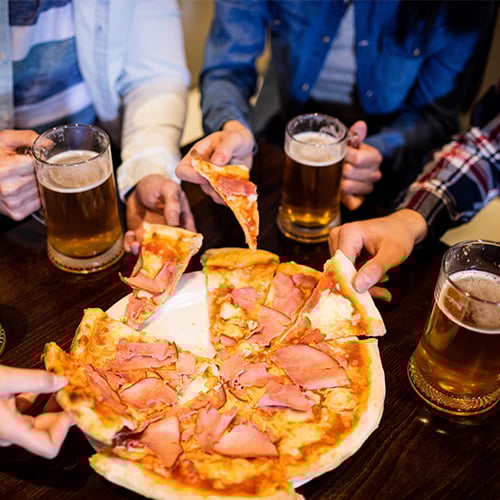
Friends drinking beer with pizza

There aren't many hard rules when it comes to making beer and food pairings as there aren't many flavors that clash with beer. That being said, if you want to get the most out of your beer pairing and enhance the flavor of the food on your bar's menu, try to keep these guidelines in mind:

  1. Contrast: To make an ideal pairing by contrast, you want to pick a beer or dish that has one strong, dominant flavor, such as sweet, rich, or oily. You want a dish that has a distinct taste that can shine through without being overpowered. An example of a good contrast pairing is oysters and stout. Oysters have a strong, briny flavor that can stand up to the rich texture and chocolatey notes of the stout.
  2. Complement: Complementing flavors is one of the simplest ways to make a delicious food and beer pairing. Match rich foods with beers that have a heavy and rich flavor, like stouts or porters. Pair light-tasting salads and fish with light beers or wheat beers with desserts like fruit tarts.
  3. Cleanse: You can also use your beer as a palate cleanser. This type of beer pairing is ideal for dishes that have strong or overpowering flavors, like spicy Indian food or fatty fried food. For example, you can use the cool and refreshing flavor of light beer to wash down the heat of Korean fried chicken. This pairing also works in the opposite way, and you can use fatty foods, such as french fries or nuts, to cut through the bitterness of an IPA.
  4. Avoid Overpowering Flavors: Keep in mind the levels of flavor in your food and beer. Many medium and dark beers have a rich and powerful flavor that can overpower certain types of food. For example, you wouldn't want to pair salmon with a pint of Guinness because the flavor of the beer will completely cover the taste of the fish.


How to Pair Beer Based on Style

The different types of beer vary greatly in their color, alcohol content, taste, and mouthfeel, so if you want to make a good pairing, you must first understand the different styles of beer. Below, we've included a table that you can reference to make a quick pairing. You can also read on for a more in-depth guide on how to pair beer and food based on style. 

  • Light lagers: Spicy food, burgers, salads
  • Wheat beers: Spicy food and fruity desserts
  • India pale ales (IPAs): Steak, barbecue, and Mexican food
  • Amber ales: Pizza, fried food, smoked pork
  • Dark lagers: Pizza, burgers, hearty stews
  • Brown ales: Sausage, sushi, fish
  • Porters: Seafood, coffee-flavored desserts, game meats
  • Stouts: Chocolate desserts, shellfish, Mexican food

These are only general pairing ideas, so if you want to create new and unique beer and food pairings, you'll need to fully understand the flavor profiles of each type of beer.
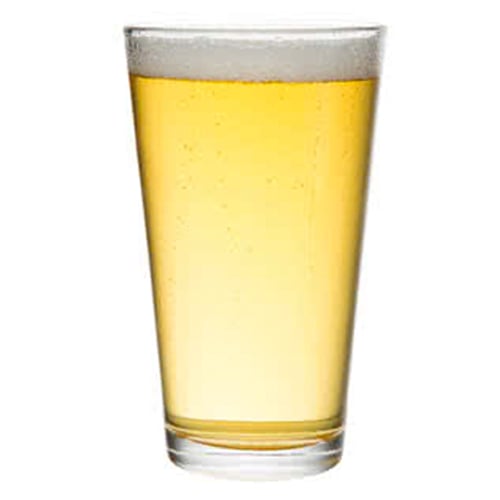


Light Lagers

Pint glass of light lager

Light lagers are among the palest type of beer, and they are well known for their crisp and refreshing taste. Most light lagers do not have a strong flavor, and they are rarely hoppy or bitter. This style of beer is one of the most popular in the United States, and many well-known brands fall under this category.

Light Lager Food Pairings: 

Because light lagers have such a refreshing flavor, they're ideal for pairing with spicy dishes, but you can pair these beers with just about any type of food. Here are some ideal beer and food pairing options for light lagers you can try:
  • Buffalo wings
  • French fries
  • Hot dogs
  • Noodles
  • Fried fish


Wheat Beers

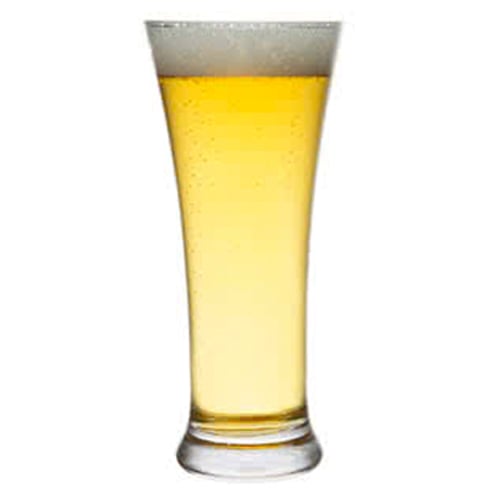
Wheat beer

Wheat beers are brewed with a mixture of wheat and barley grains, which gives the beer smoother texture and lighter carbonation than other styles. The wheat itself doesn't add much flavor, so many brewers add citrus and other fruity flavorings to the beer.

Wheat Beer Food Pairings: 

Wheat beers are very versatile, and you can pair them with a number of foods. Here are some ideal food pairings for wheat beers:
  • Buffalo wings
  • Spicy noodles
  • Salads
  • Fruit tarts
  • Pastries


India Pale Ales

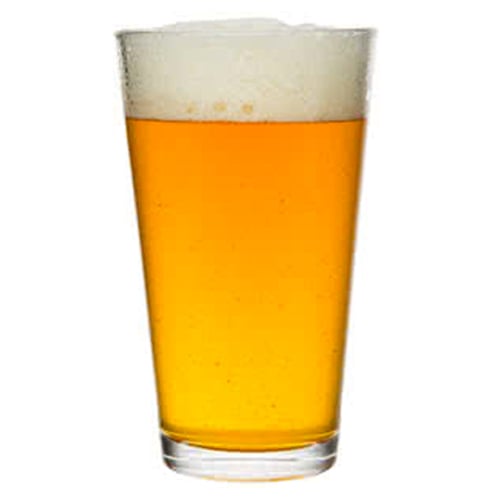
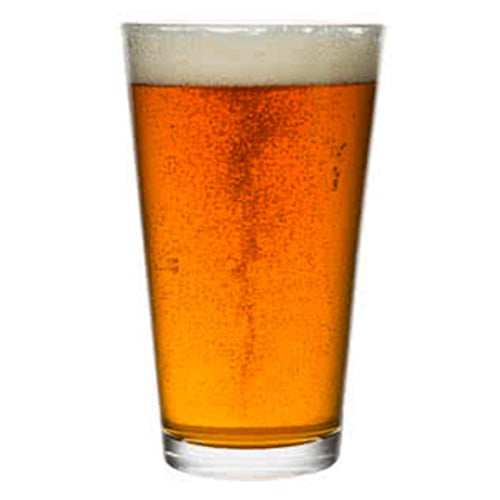
American IPA in a pint glass

India pale ales, better known as IPAs, are one of the most popular styles of beer in the craft brewing scene today. Typically, IPAs have a medium amber color and feature a very bitter flavor. To make the bitterness more palatable, many brewers add citrus or herbal tones to the beer. In addition to standard IPAs, there are also double IPAs, which are made with even more hops and have a strong bitter flavor.

IPA Food Pairings: 

Because of the sheer variety of IPAs on the market, there are no hard and fast rules when it comes to food pairings. But, here are a few general food and beer pairings that work for all types of IPAs:
  • Barbecue ribs
  • French fries
  • Mozzarella sticks
  • Steak
  • Burritos
  • Fajitas


Amber Ales

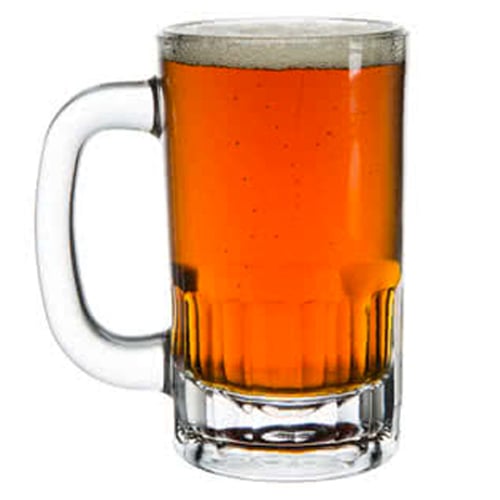
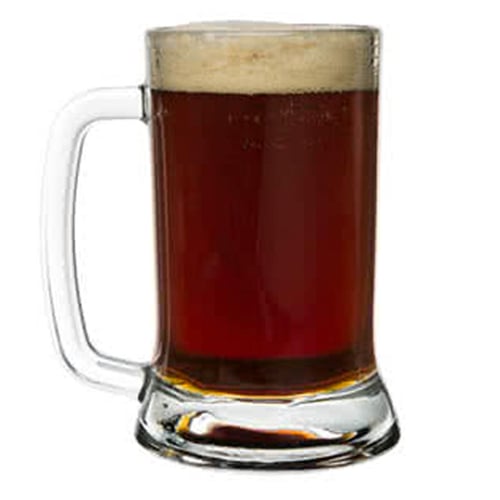
Beer mug of amber ale

Amber ales are characterized by medium mouthfeel and colors that range from amber to a deep reddish-gold. These beers have strong flavors of malt, and there are notes of sweet caramel that complement the roasted malt taste. But, these beers do not have an overpoweringly sweet flavor, and many amber ales have a dry and crisp finish. Although the flavor from the hops isn't strong, they give these beers a light and flowery aroma.

Amber Ale Food Pairings: 

Due to the dry and crisp finish, amber ales are excellent beers for cleansing your palate. So, here are a few ideal food pairings for amber ales:
  • Barbecue pulled pork
  • Jerk chicken
  • Pizza
  • Brisket


Dark Lagers

Dark Lager in a pint glass

There are several types of lager, and dark lagers have a distinct taste. This style of beer is made with roasted malts, and many times they have caramel syrup added to sweeten the beer. The roasted malts give the beer a nutty flavor, and the caramel provides a slight hint of sweetness, although it's not overpowering.

Dark Lager Food Pairings: 

Dark lagers are popular in Europe, and they're an excellent complement to hearty traditional European dishes. Here are some examples of ideal pairings to go with dark lagers:
  • Sausage
  • Goulash
  • Bangers and mash
  • Burgers
  • Pizza


Brown Ales

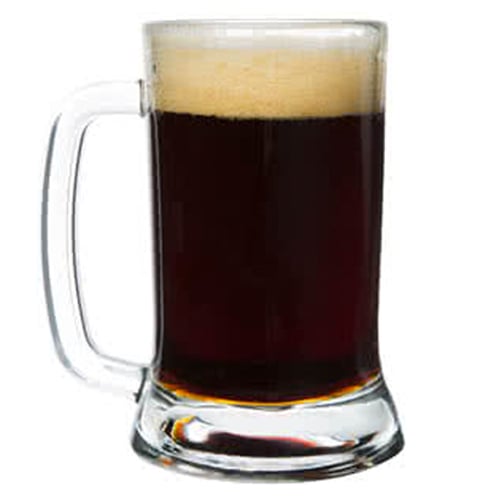
Brown Ale in a beer mug

Brown ales aren't as hoppy or bitter as other medium-colored beers, and instead they have hints of chocolate and coffee similar to stouts and porters. Additionally, English varieties of brown ales usually have a dry and nutty flavor. Beer afficionados and craft brewers tend to turn their noses up at brown ales because they lack the extreme flavors and hoppiness that is fashionable nowadays, but these are tasty beers that pair well with many different foods.

Brown Ale Food Pairings: 

Brown ales are a versatile option when it comes to food and beer pairings, and they are famous for pairing well with just about anything. That being said, here are a few dishes that complement the rich chocolate and nutty flavors in brown ales:
  • Sausage
  • Roast pork
  • Barbecue
  • Fish
  • Sushi


Porters

Porter in a beer mug

Porters originated in London, and the original variety were dark and strong, making them popular with the working class. Today, porters are milder and come in a variety of styles and flavors, but they kept their signature dark color, toasty aroma, and roasted flavor. Porters are made with roasted brown malts that give the beer strong notes of chocolate, caramel, and coffee. Although both porters and stouts are thick and silky, porters have a crisper finish than stouts.

Porter Food Pairings: 

Porters have a rich and deep flavor, so it is best to pair them with foods that have similar taste and texture. Here are a few examples of dishes that pair well with porters:
  • Lobster
  • Crab
  • Mexican mole
  • Barbecue
  • Rabbit, venison, and game meats


Stouts

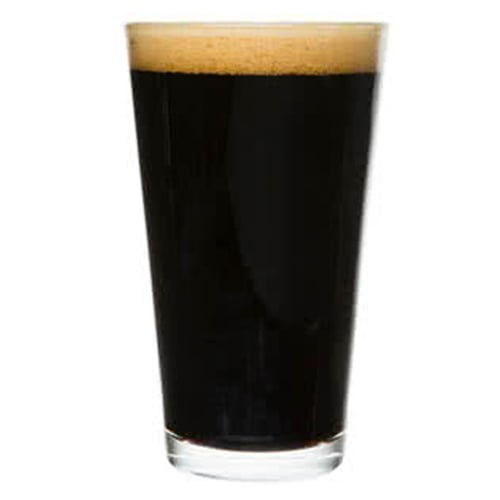
Stout in a pint glass

Stouts are best known for their black color and dark, roasted flavor that is similar to porters. Despite their appearance, stouts are not necessarily high in alcohol content, bitterness, or flavor, and there are many mild, well-rounded types of stout. This style of beer is usually characterized by strong hints of chocolate and coffee as well as a silky smooth consistency.

Stouts Food Pairings: 

Because stouts have a chocolatey flavor and relatively low alcohol content, they are the perfect pairing for many kinds of desserts. Here are some examples of the best foods to pair with stouts:

  • Chocolate truffles
  • Chocolate mousse
  • Lobster
  • Barbecue
  • Shellfish

Adding food and beer pairings to your menu can help enhance the flavor of your dishes and bring in more profits. To make the best beer pairings possible, it is important to understand which flavors work well together. Once you understand the flavor profiles in beer, you can make delicious and interesting beer pairings that will accentuate the flavors of both your food and beer. You can also bring out the best flavors in your beer by choosing the right beer glass for each type.

Otto Knotzer thanks for info
March 3, 2022 at 5:04pm