x




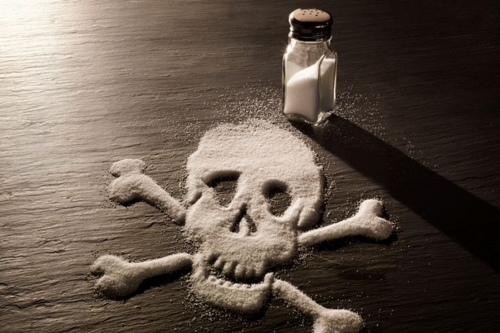
Salt is a crystalline mineral mainly made up of sodium chloride. Salt is used as a seasoning in foods and a preserving agent. Humans also have a innate taste for salt. Our taste buds identify six major tastes, including salt. When we taste a food containing the mineral, our taste buds send a signal to the brain labeling the taste “salt”.
Sodium, Salt and the Body
Sodium is a required mineral for bodily function. Sodium is one of the eight alkaline minerals and one of the 102 minerals in the elemental chart. Sodium can be found in nature. We need sodium for proper health, especially to balance our sodium-potassium balance levels.
It helps us to hold and properly use water, especially in hot weather. Too little sodium can lead to dehydration. Sodium is also important for proper muscle function in addition to stabilizing imbalances in blood pH.
Salt, on the other hand, is not crucial to the body. Salt is largely made up of sodium chloride, so many people believe they need salt. In reality, they need sodium chloride.
Too much salt throws the body out of balance, and can contribute to the development of disease. Some health conditions associated with excess salt include:
Adding salt to food in one way people are consuming too much of it. Most of the processed or canned foods today have tons of added salt. This helps preserve the food and enhance the flavor. Some of us add even more salt to the food! The result is often high blood pressure.
Sea Salt
Sea salt is the salt nature naturally produces in water. This is the only salt you should use. Since it is natural and unrefined, it is not harmful to the body. Remember, all salts should be consumed in moderation, like everything else.
Sea salt is naturally brown in colors and somewhat resembles beach sand. It is coarse and comes in a variety of sizes. Three main sizes of sea salt exist: fine, coarse and granulated.
If you have any question whether a salt is natural sea salt or not, remember that all sea salt will dissolve in water.
Natural Ways to Maintain Sodium Levels
Celery is one of the best natural ways to consume sodium. The vegetable helps lower blood pressure as well. Juice or eat the vegetable raw for the maximum health benefits.
Maintaining a balance of sodium and potassium in the body can be done very easily too. Drink a glass of water with a pinch of salt and a teaspoon of apple cider vinegar. Drink this everyday for the best benefits.
Remember that diet ultimately determines health. Consume a healthy plant based diet to keep your body functioning as it should. Avoid added synthetic salt and instead focus on wholesome, pure flavors.
.png)