x




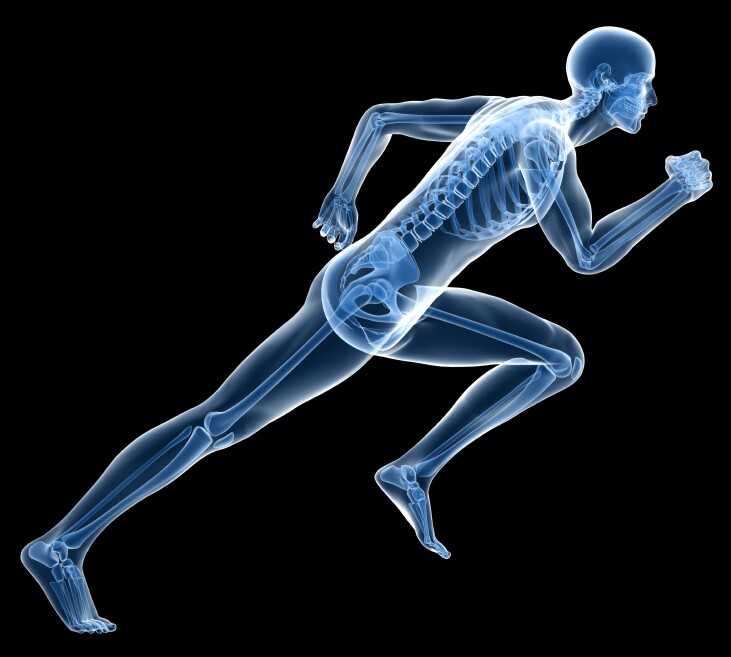
The merry month of May is a great time to get going and improve your body's overall bone health.
May is National Osteoporosis Month - a good time to assess your risk of breaking a bone and figure out the best way for you to avoid osteoporosis down the road.
According to the National Osteoporosis Foundation (NOF), where I am honored to serve as Bone Health Ambassador, 52 million Americans have osteoporosis. And thanks to population dynamics, the numbers rise each year: By 2020, half of all Americans over age 50 are expected to be affected.
If you suffer a broken bone after 50, it may be a sign that your bones are becoming more brittle, increasing your osteoporosis risk. But as the NOF points out, it's never too late to take control and stop the progression of this potentially debilitating disease: You can shore up your strength-training program, for starters, then take a good, hard look at what sort of bone-healthy foods you are - and are not - including in your regular diet.
Here are some tips from the National Osteoporosis Foundation that can put you on the path to prevention:
1. Take it seriously. A broken bone can erode your physical, mental and emotional health. More than merely immobilizing an individual, osteoporosis can be fatal.
2. Get the right amount of calcium. Taking more calcium than you need does not provide any extra benefits. Check out the NOF website to determine how much calcium you need, and to learn how to assess how much calcium you're currently getting through the foods you eat.
3. Have your vitamin D levels checked. Vitamin D enables your body to absorb calcium. If you're not getting enough vitamin D, you're at a much greater risk for osteoporosis. Most of us need vitamin D supplements - ask your doctor if you do, too. The NOF, for one, recommends that people over 50 get at least 1,000 milligrams of vitamin D per day.
4. Exercise. Engage in high-impact, weight-bearing exercises such as running, tennis, dancing or active aerobics. You also want to build your muscle strength with activities such as lifting free weights or using weight machines. My own personal favorite are push-ups (yes, you can do them too!), which allow you to use your own body weight to build strength.
5. Eat right. Make sure you're eating calcium-rich foods such as dark leafy greens, almonds, yogurt and nonfat milk.