x




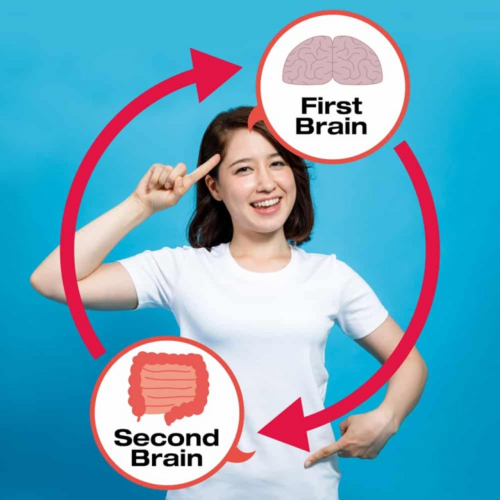
The connection between diet and emotions stems from the close relationship between your brain and your gastrointestinal tract, often called the “second brain.” Here’s how it works: Your GI tract is home to billions of bacteria that influence the production of neurotransmitters, chemical substances that constantly carry messages from the gut to the brain. (Dopamine and serotonin are two common examples.)
Eating healthy food promotes the growth of “good” bacteria, which in turn positively affects neurotransmitter production. A steady diet of junk food, on the other hand, can cause inflammation that hampers production. When neurotransmitter production is in good shape, your brain receives these positive messages loud and clear, and your emotions reflect it. But when production goes awry, so might your mood.
Sugar, in particular, is considered a major culprit of inflammation, plus it feeds “bad” bacteria in the GI tract. Ironically, it can also cause a temporary spike in “feel good” neurotransmitters, like dopamine. That isn’t good for you either, says Rachel Brown, co-founder of The Wellness Project, a consultancy that works with corporations to promote good health among employees. The result is a fleeting sugar rush that is followed shortly thereafter by a crash “that’s terrible for your mood,” she says.
When you stick to a diet of healthy food, you’re setting yourself up for fewer mood fluctuations, and an overall happier outlook and an improved ability to focus. Studies have even found that healthy diets can help with symptoms of depression and anxiety. Unhealthy diets have been linked to an increased risk of dementia or stroke.
It’s no secret that obesity rates have been rising in the U.S. (and other industrialized nations) for the past 30 years. It’s also no secret that Americans eat more than they used to; by almost 425 calories per day since the early ’80s. You eat what your brain tells you to eat. Ever open up a bag of chips planning to have a small snack, only to find yourself peering into an empty bag, just a few moments later?
Our rational, conscious brain thinks it’s in charge. “I eat what I want when I want it. And I stop when I want to”. But we have a lot less control than that. Behind our decision-making processes are physiological forces we’re never even aware of. You see, deeper brain physiology drives what, when, and how much we eat — along with its co-pilots of hormones, fatty acids, amino acids, glucose, and body fat. For the most part, our conscious selves just come along for the ride.'